High-humidity environments create constant challenges for construction materials, industrial equipment, transportation systems, and outdoor structures. Moisture in the air can speed up corrosion, weaken certain metals, and increase maintenance costs over time. Fortunately, aluminium has earned a strong reputation for its outstanding resistance to humid conditions. Businesses across various industries continue to rely on aluminium because it combines durability, lightweight properties, and long-lasting performance.
When businesses search for an Aluminium Supplier Singapore, they often prioritize materials that can withstand Singapore’s tropical climate. With consistently high humidity throughout the year, selecting corrosion-resistant materials becomes essential for ensuring long-term structural integrity.
Unlike many traditional metals, aluminium naturally develops a protective oxide layer when exposed to oxygen. This invisible coating shields the surface from further corrosion, making aluminium one of the most dependable materials for humid environments.
How Does Aluminium Resist Moisture and Corrosion?
One of aluminium’s greatest advantages is its self-protective nature. As soon as fresh aluminium comes into contact with air, it forms a thin oxide layer that seals the surface.
This protective barrier offers several benefits:
- Prevents rust formation
- Slows down corrosion
- Protects against moisture penetration
- Extends product lifespan
- Reduces maintenance requirements
Unlike iron or untreated steel, aluminium does not develop red rust that flakes away and exposes fresh metal underneath. Instead, its oxide layer remains firmly attached to the surface, continuously protecting the material.
For industries operating in coastal cities, factories, warehouses, and outdoor installations, this natural protection significantly lowers repair and replacement costs.
Why Is Aluminium Ideal for Singapore’s Climate?
Singapore experiences high temperatures and humidity levels throughout the year. These environmental conditions accelerate corrosion in many construction materials.
Choosing a trusted Aluminium Supplier Singapore ensures businesses receive quality aluminium products specifically suited for demanding weather conditions.
Common applications include:
- Commercial buildings
- Residential construction
- Roofing systems
- Window frames
- Curtain walls
- Marine structures
- Industrial machinery
- Warehouse shelving
- Transportation equipment
Because aluminium maintains its structural strength even after years of exposure to humid air, it remains one of the preferred metals throughout Singapore.
How Does Aluminium Compare with Stainless Steel?
Both aluminium and stainless steel perform well in humid environments, but each offers unique advantages.
Aluminium provides:
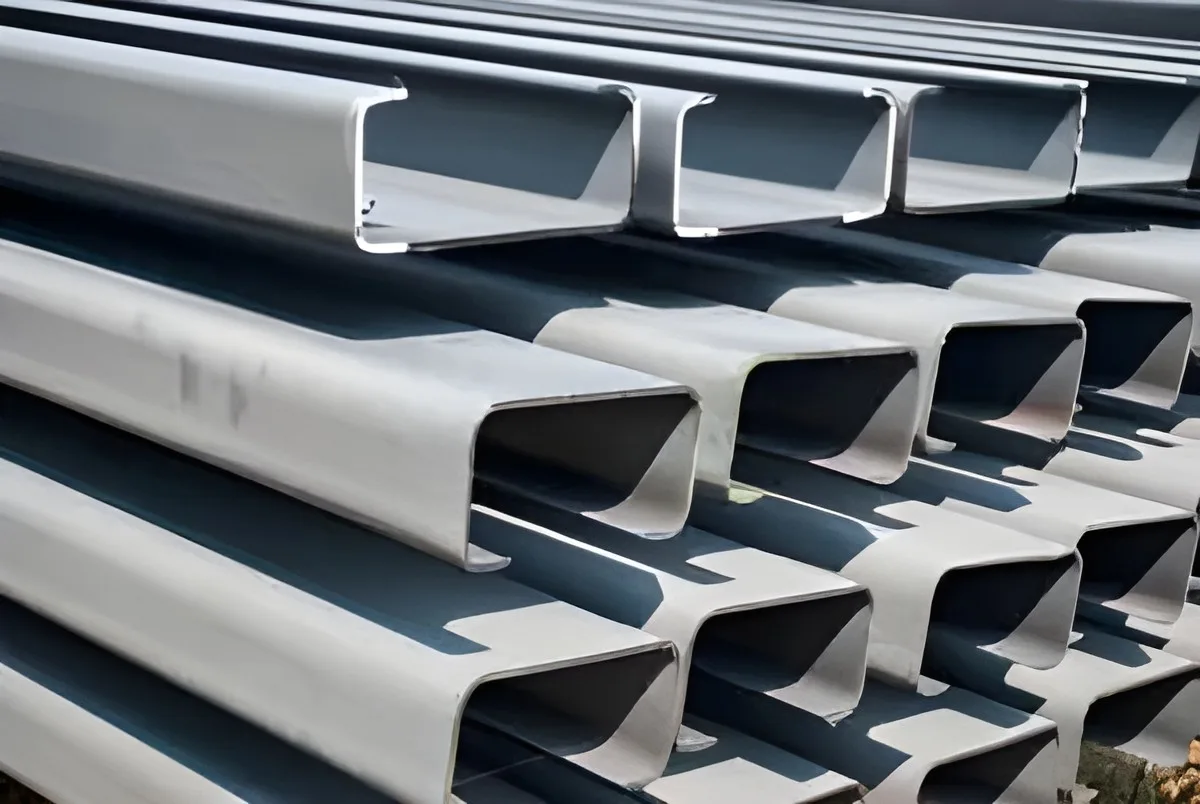
- Lightweight construction
- Excellent corrosion resistance
- Easy fabrication
- High thermal conductivity
- Lower transportation costs
- Good recyclability
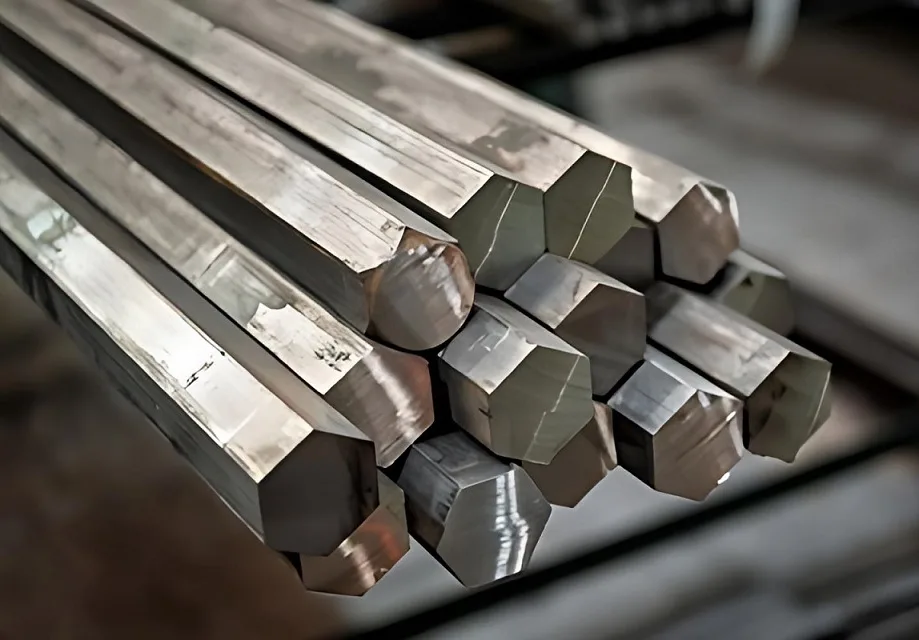
Meanwhile, Stainless Steel Singapore products offer:
- Higher tensile strength
- Excellent wear resistance
- Superior impact resistance
- Attractive polished finish
- High-temperature durability
Many industries actually combine aluminium with Stainless Steel Singapore products depending on specific engineering requirements. Aluminium may be selected for lightweight structural components, while stainless steel is used where exceptional strength is required.
Understanding these differences helps businesses choose the right material for every application.
What Industries Benefit Most from Aluminium in Humid Conditions?
Numerous industries rely on aluminium because moisture resistance directly affects operational efficiency.
Some major industries include:
Construction
Builders use aluminium for:
- Doors
- Windows
- Roofing
- Cladding
- Structural framing
- Handrails
Its corrosion resistance helps buildings maintain their appearance for decades.
Marine Industry
Saltwater creates one of the harshest environments for metals. Aluminium performs exceptionally well because its protective oxide layer limits corrosion even near the ocean.
Marine applications include:
- Boat structures
- Dock components
- Ship fittings
- Offshore platforms
Transportation
Vehicle manufacturers appreciate aluminium because it reduces overall weight while resisting weather exposure.
Applications include:
- Trucks
- Buses
- Trains
- Aircraft
- Shipping containers
Manufacturing
Factories frequently use aluminium for machinery components that operate in humid production environments.
Can Surface Treatments Improve Aluminium’s Performance?
Although untreated aluminium already performs well, several finishing processes further improve its durability.
Popular treatments include:
Anodizing
Anodizing thickens the natural oxide layer.
Benefits include:
- Better corrosion resistance
- Improved wear protection
- Decorative finishes
- Increased hardness
- Longer service life
Powder Coating
Powder coating adds an additional protective barrier while improving appearance.
Advantages include:
- UV resistance
- Scratch resistance
- Wide color options
- Enhanced moisture protection
Protective Painting
Industrial coatings further protect aluminium used in highly demanding environments.
These treatments help extend product life even in coastal or industrial locations with continuous humidity.
Does High Humidity Affect Aluminium’s Strength?
Humidity alone has very little effect on aluminium’s mechanical strength.
Unlike some materials that absorb moisture or experience rapid oxidation, aluminium maintains its structural integrity over many years.
It continues to provide:
- High strength-to-weight ratio
- Excellent dimensional stability
- Reliable performance
- Long-term durability
This makes aluminium an excellent material for infrastructure expected to perform for decades.
How Does Aluminium Reduce Maintenance Costs?
Maintenance expenses often represent a significant portion of ownership costs for buildings and industrial equipment.
Because aluminium naturally resists corrosion, owners spend less on:
- Surface repairs
- Rust removal
- Repainting
- Component replacement
- Structural maintenance
This translates into substantial savings throughout the product’s lifespan.
Instead of frequent repairs, aluminium typically requires only routine cleaning to maintain its appearance.
Why Is Material Quality Equally Important?
Even the best material delivers optimal performance only when sourced from a reputable supplier.
High-quality aluminium provides:
- Consistent chemical composition
- Accurate dimensions
- Better fabrication performance
- Reliable strength
- Improved corrosion resistance
This is why many businesses choose Kian Huat Metal Pte Ltd for dependable aluminium products. Working with an experienced supplier helps ensure that every project receives materials that meet industry standards and long-term performance expectations.
How Does Aluminium Support Sustainable Construction?
Sustainability has become a major priority across modern industries.
Aluminium offers several environmental advantages:
- 100% recyclable
- Low maintenance requirements
- Long product lifespan
- Reduced replacement frequency
- Lower transportation emissions due to lightweight design
Recycling aluminium requires only a fraction of the energy needed to produce primary aluminium, making it an environmentally responsible material for future construction projects.
Many green building initiatives encourage the use of recyclable metals because they help reduce overall environmental impact.
Why Should You Choose a Trusted Aluminium Supplier?
Selecting the right supplier ensures access to premium-quality materials, expert guidance, and reliable product availability.
An experienced Aluminium Supplier Singapore can help customers choose suitable aluminium grades for specific environments, whether the project involves commercial buildings, industrial facilities, transportation systems, or marine applications.
Businesses also frequently source complementary Stainless Steel Singapore products for projects requiring additional strength or specialized performance. A supplier with a comprehensive inventory simplifies procurement and ensures compatibility across different materials.
Companies such as Kian Huat Metal Pte Ltd offer a wide range of aluminium products designed to meet the demanding requirements of Singapore’s humid climate while supporting industries with dependable material solutions.
Conclusion
Aluminium consistently proves its value in high-humidity environments thanks to its natural corrosion resistance, lightweight properties, and impressive durability. Its self-forming oxide layer protects the surface from moisture, reducing maintenance costs and extending service life across a wide range of applications. Whether used in construction, marine projects, transportation, or manufacturing, aluminium delivers reliable long-term performance even under challenging weather conditions.
When selecting materials for humid environments, partnering with a trusted Aluminium Supplier Singapore ensures access to high-quality products that meet industry standards. Combining aluminium with Stainless Steel Singapore products where appropriate allows businesses to achieve the ideal balance of strength, corrosion resistance, and efficiency. By choosing dependable suppliers such as Kian Huat Metal Pte Ltd, businesses can invest in durable, sustainable materials that continue to perform well for years to come.
Congrats! You’ve Finished This Blog.