Art Deco continues to attract homeowners and interior designers because it combines elegance, confidence, and visual balance. This iconic design movement first became popular in the early 20th century, but its bold character still fits beautifully into modern homes. Art Deco focuses on geometric patterns, luxurious materials, rich textures, and carefully selected decorative details.
Unlike trends that quickly lose their appeal, Art Deco offers a distinctive personality. It can make a simple room feel sophisticated without making the space look outdated. Designers often adapt classic Art Deco elements to modern layouts, creating interiors that feel both glamorous and comfortable.
Why Does Art Deco Continue to Look Modern?
One reason for the lasting popularity of Art Deco is its ability to work with contemporary interiors. Its geometric shapes and clean lines complement modern furniture, open layouts, and minimalist backgrounds. Instead of filling a room with excessive decoration, homeowners can select a few strong Art Deco features to create an attractive focal point.
For example, a geometric wall pattern, a statement mirror, metallic lighting fixture, or velvet chair can introduce Art Deco character without overwhelming the room. Designers can also combine traditional details with neutral walls and modern flooring for a balanced appearance.
This flexibility allows Art Deco to evolve with changing lifestyles while preserving its recognizable identity.
How Do Geometric Patterns Strengthen Art Deco Interiors?
Geometric patterns play an important role in Art Deco design. Designers commonly use symmetrical lines, arches, circles, diamonds, stepped shapes, and repeating patterns to create visual structure. These elements immediately add personality to walls, floors, furniture, and accessories.
A geometric rug can define a seating area, while patterned wallpaper can create an elegant accent wall. Decorative screens, mirrors, cabinets, and lighting fixtures can also introduce geometric details.
The key is to maintain balance. Too many competing patterns can make a room feel busy. Instead, choose one or two major patterns and support them with simpler furniture and accessories.
Why Are Luxurious Materials Important in Art Deco?
Art Deco often celebrates materials that create a sense of quality and sophistication. Velvet, glass, polished wood, marble, brass, chrome, and reflective surfaces can all contribute to this style.
However, creating an Art Deco interior does not require an expensive renovation. You can introduce luxury through small additions. A brass table lamp, velvet cushion, decorative mirror, or polished side table can make a noticeable difference.
Material contrast also adds depth. For instance, smooth metal can look striking beside textured fabric, while polished wood can provide warmth against glass and stone. These combinations help create the layered appearance associated with Art Deco.
How Can Color Make Art Deco More Appealing?
Color plays a major role in creating the right atmosphere. Traditional Art Deco interiors often use strong shades such as emerald green, navy blue, burgundy, black, and deep teal. Designers may pair these colors with gold, brass, silver, or other metallic accents.
Modern homeowners can adapt this palette to suit their preferences. Neutral colors such as cream, beige, grey, and white can provide a calm foundation, while darker or richer colors can highlight selected features.
For example, a neutral living room can gain Art Deco character through a dark velvet sofa, a metallic coffee table, and decorative cushions with geometric patterns. This approach keeps the room stylish without making it feel overly dramatic.
Can Rustic Furniture Work With Art Deco?
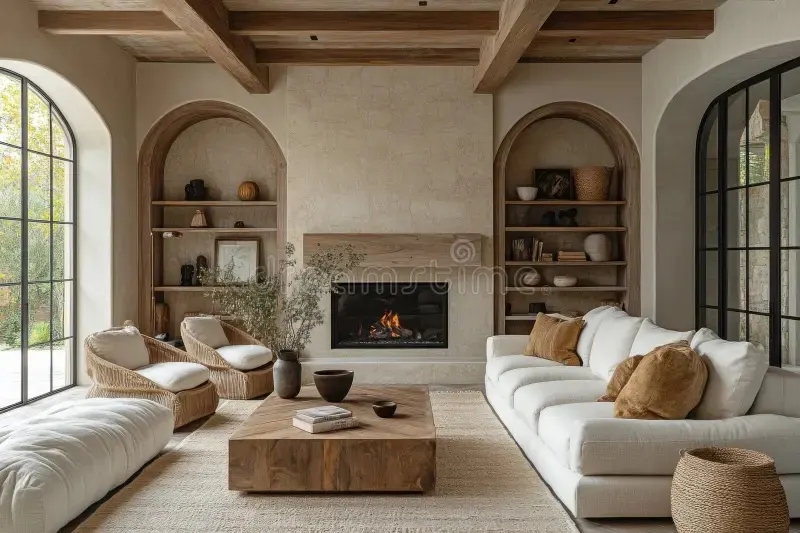
Although Art Deco and Rustic Furniture may appear very different, combining them can create an interesting and welcoming interior. Art Deco usually emphasizes glamour, symmetry, and polished finishes, while Rustic Furniture brings natural textures, warmth, and a relaxed character.
The contrast between these styles can make a room feel more personal. A rustic wooden console can soften the formal appearance of an Art Deco mirror. Similarly, a natural wood coffee table can balance metallic lighting and velvet seating.
The secret lies in choosing complementary pieces. Avoid filling the room equally with elements from both styles. Instead, allow one style to dominate while using the other to add contrast and warmth.
How Does Furniture Define an Art Deco Interior?
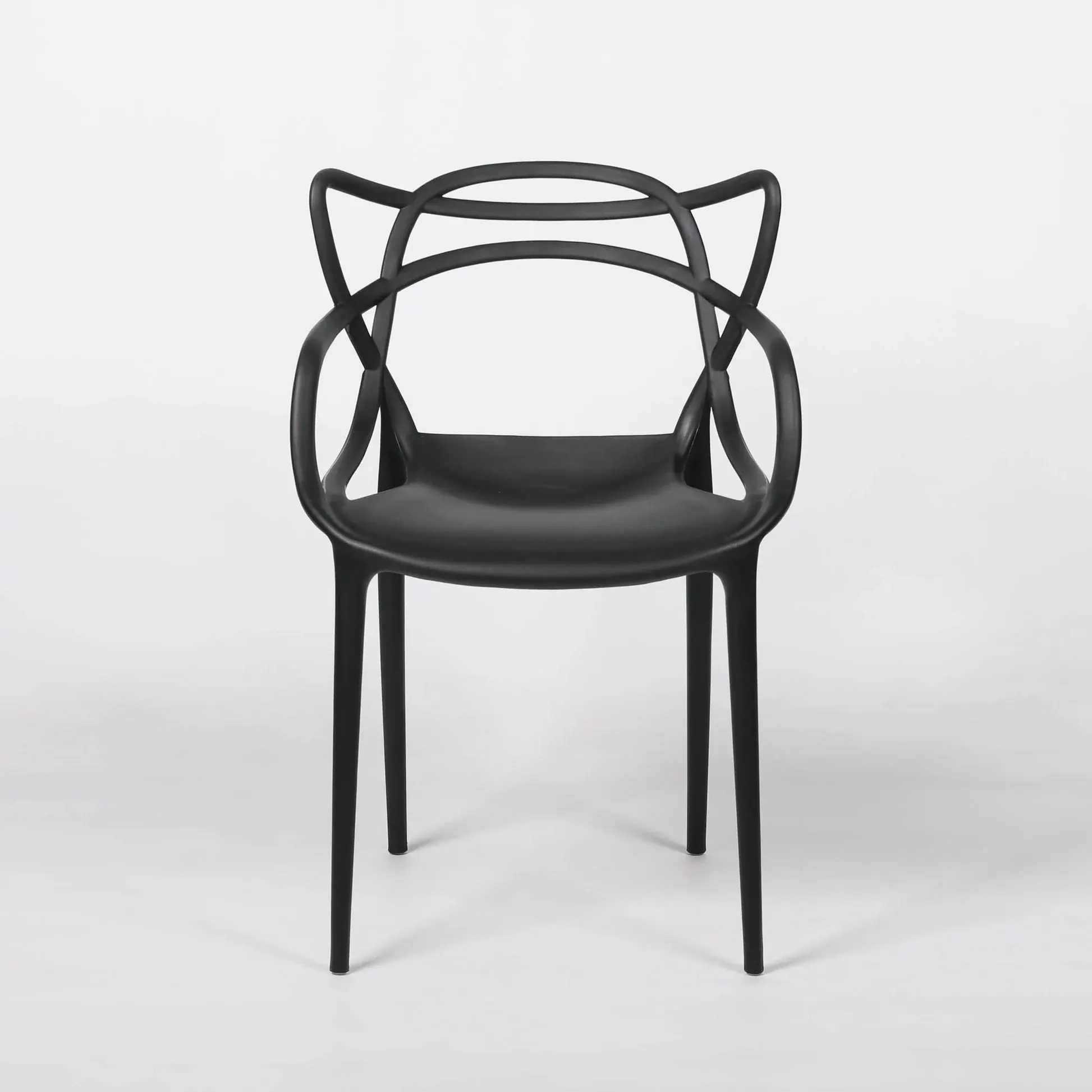
Furniture provides one of the strongest opportunities to express Art Deco style. Look for pieces with clean silhouettes, curved edges, symmetrical details, and luxurious upholstery. Sofas, armchairs, cabinets, beds, and dining tables can all become statement pieces.
Curved furniture works particularly well because it adds softness to the strong geometry associated with the style. Upholstery in velvet or another rich-looking fabric can further enhance the sophisticated atmosphere.
At the same time, modern furniture can blend naturally with Art Deco accessories. A contemporary sofa paired with a geometric rug and a sculptural lamp can create an updated interpretation of the style.
Why Are Lighting and Mirrors Essential in Art Deco Design?
Lighting can dramatically change how an Art Deco interior looks. Statement chandeliers, wall sconces, table lamps, and sculptural fixtures can become decorative features rather than purely functional objects.
Metallic finishes often work particularly well with Art Deco lighting because they reflect light and add visual richness. Glass elements can also create an elegant glow.
Mirrors are equally useful. Large decorative mirrors can make rooms appear more spacious while introducing symmetry and reflective surfaces. Geometric or fan-shaped frames can reinforce the Art Deco theme without requiring major changes to the room.
How Can You Introduce Art Deco Without Redesigning Your Home?
You do not need to replace every piece of furniture to enjoy Art Deco. Small changes can create a noticeable transformation.
Start with accessories such as cushions, rugs, mirrors, lamps, artwork, vases, and decorative objects. Choose items with geometric shapes, metallic details, or rich textures. Then introduce one statement piece, such as an elegant armchair or distinctive lighting fixture.
You can also update cabinet handles, add patterned wallpaper to a small area, or use a decorative mirror above a console table. These simple improvements can create an Art Deco atmosphere while keeping your existing interior intact.
How Can GOLDWOOD by Boris Inspire a Stylish Interior?
GOLDWOOD by Boris can complement an interior concept that values craftsmanship, character, and distinctive furniture. When homeowners combine carefully selected wooden furniture with Art Deco-inspired lighting, patterns, and accessories, they can achieve a balanced look that feels sophisticated yet inviting.
The natural character of wood can prevent an Art Deco room from appearing too formal. A well-designed wooden table, cabinet, or console can introduce warmth while metallic accents and geometric accessories provide the glamour associated with the style.
This combination demonstrates how traditional materials and decorative design can work together successfully.
Is Art Deco Suitable for Small Spaces?
Art Deco can work surprisingly well in smaller rooms. The style’s emphasis on symmetry and carefully selected statement pieces can help create a sense of organization.
Instead of using many decorative objects, choose a few impactful features. A large mirror can visually expand the room, while a compact geometric rug can define the seating area. Vertical lighting or tall decorative elements can also draw the eye upward.
Keeping the background relatively simple will prevent a small space from feeling crowded. The goal should be sophistication through selection rather than decoration through quantity.
How Can You Create a Balanced Art Deco and Rustic Look?
A successful combination of Art Deco and Rustic Furniture depends on balance. Start with a natural foundation, such as wooden flooring or a rustic table. Then introduce polished elements through lighting, mirrors, metal accents, or geometric textiles.
You can also use neutral walls to connect the two styles. Warm wood tones make rich Art Deco colors feel more comfortable, while metallic details add refinement to rustic materials.
GOLDWOOD by Boris can fit naturally into this approach when wooden furniture becomes the warm foundation and Art Deco-inspired pieces provide visual contrast.
Why Will Art Deco Remain Popular in the Future?
Art Deco remains popular because it offers something many modern design trends lack: a strong visual identity. Its combination of geometry, luxury, symmetry, and craftsmanship allows designers to create interiors that immediately feel distinctive.
At the same time, the style remains flexible. Homeowners can use bold colors for a dramatic room or choose subtle metallic accents for a quieter interpretation. They can combine contemporary furniture with classic patterns or introduce Rustic Furniture to create warmth.
Ultimately, Art Deco continues to succeed because it does not depend entirely on short-lived trends. Its timeless shapes, rich materials, balanced compositions, and decorative character allow it to adapt to changing tastes. Whether you redesign an entire room or simply add a statement mirror and elegant lighting, Art Deco can give your home a refined personality that remains appealing for years.
Congrats! You’ve Finished This Blog.