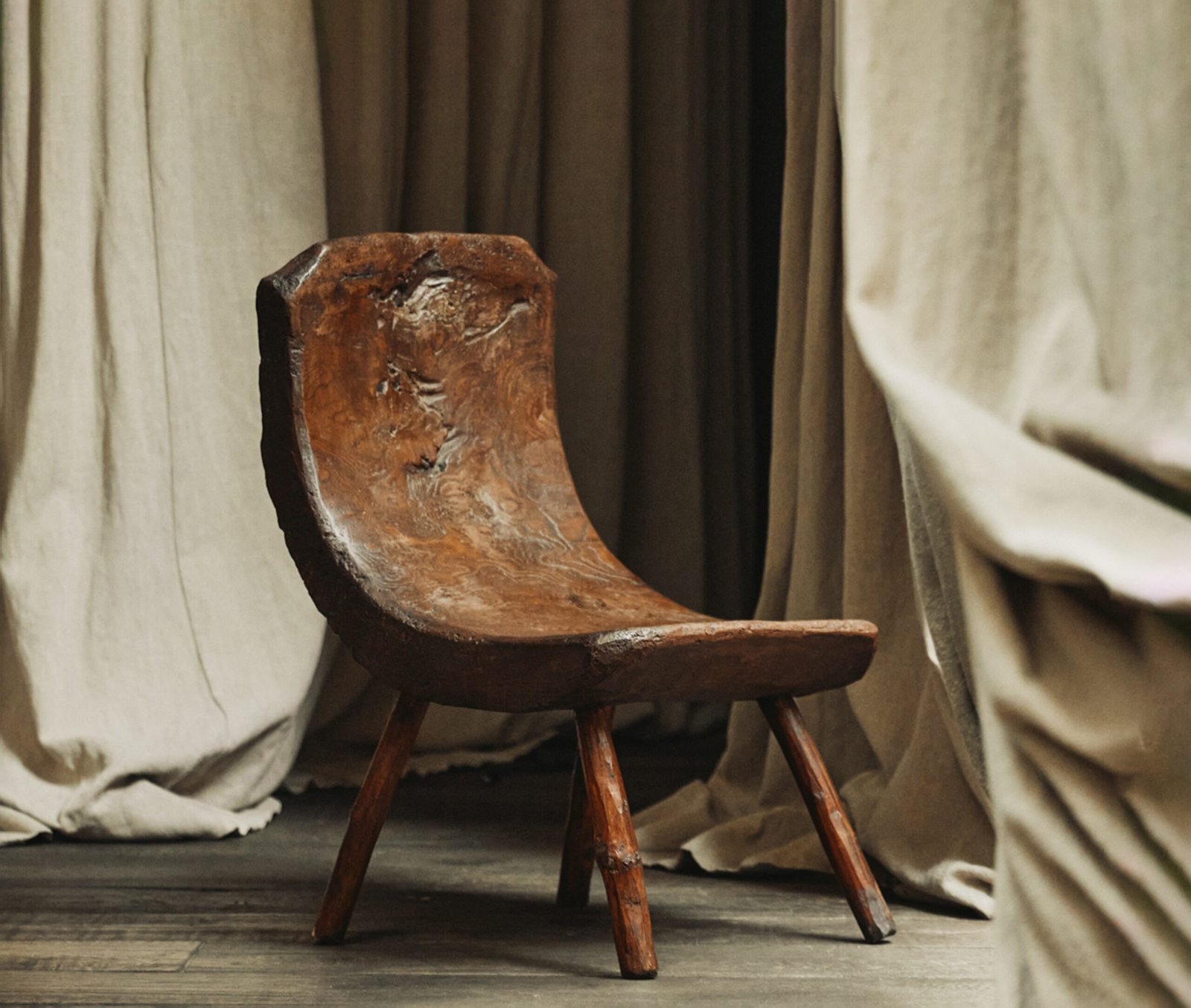
A thoughtfully designed piece of furniture can carry an extraordinary amount of history. The shape of a chair, the grain of a wooden cabinet, the construction of a table, or the finish of a decorative object can reveal something about the ideas and techniques of the period in which it was created.
This is what makes 20th-century furniture so engaging for collectors and design enthusiasts. It combines everyday functionality with artistic thinking, craftsmanship, and historical context. In Antwerp, Belgium, Goldwood by Boris is part of a design environment where vintage furniture and collectible objects can be appreciated for their distinctive forms, materials, and connections to design history.
What Gives Vintage Furniture Its Character?
Age is only one element of a vintage piece’s appeal. Character can come from its construction, materials, proportions, design language, and evidence of careful use.
Furniture created during the 20th century reflects an especially broad range of approaches. Designers experimented with streamlined forms, organic shapes, geometric structures, industrial materials, traditional woodworking, and innovative production methods.
This diversity means that there is no single definition of collectible design. A refined wooden sideboard, a sculptural lounge chair, an unusual lamp, or a carefully crafted decorative object can all be interesting for different reasons.
Looking Closely at Construction
One of the best ways to appreciate furniture is to examine how it was made. Construction details can reveal the skill and techniques used by the original manufacturer or craftsperson.
With wooden furniture, collectors may look at joints, veneers, grain direction, drawer construction, handles, hinges, and surface treatments. Upholstered pieces can be considered through their frames, stitching, proportions, and materials. Metal furniture can reveal different forms of fabrication and finishing.
These observations provide more than technical information. They help explain why a particular object has survived and why its design remains relevant.
The Role of Materials in Design
Materials strongly influence the character of furniture. Throughout the 20th century, designers explored both traditional and newly developed materials to create different combinations of strength, comfort, appearance, and function.
Natural woods brought warmth and texture to interiors, while metal offered structural possibilities and an industrial aesthetic. Glass introduced transparency and lightness, while emerging synthetic materials opened the door to more experimental shapes.
Studying materials can therefore help collectors understand an object’s period and design philosophy. It can also help explain how a piece may age and what kind of care it requires.
Connecting Objects With Their Historical Context
Furniture becomes more meaningful when its historical setting is understood. Designers often respond to the architectural and social conditions of their time.
Changes in housing, manufacturing, technology, and consumer culture all influenced the furniture produced during the 20th century. The increasing popularity of open-plan interiors, for example, encouraged different approaches to furniture arrangement and proportion.
Understanding these influences allows collectors to see individual objects as part of broader design movements rather than isolated decorative pieces.
Researching Designers and Makers
Research is an important part of collecting responsibly. Identifying a designer or manufacturer can provide information about an object’s date, production history, materials, and intended use.
For those searching for boris devis, it can be useful to place individual names within the larger history of collectible furniture and design. Researching related designers, manufacturers, movements, and production techniques can often provide additional context.
Useful sources may include specialist books, historical catalogues, archival records, manufacturer labels, signatures, construction details, and documented provenance. Comparing different forms of evidence can help create a clearer and more reliable understanding of an object.
Why Condition Deserves Attention
Vintage furniture naturally changes with age. Surfaces may develop patina, upholstery may show wear, and finishes may become softer or more varied over time.
Collectors should distinguish between attractive signs of age and conditions that affect structural integrity. Previous restoration, replacement components, refinishing, or alterations can also be relevant when evaluating an object.
A thoughtful approach to restoration seeks to preserve an item’s usability without unnecessarily removing the qualities that demonstrate its age and history.
Creating Modern Interiors With Historical Depth
Vintage furniture can make contemporary interiors feel more layered and personal. A historical piece does not need to be surrounded by furniture from the same period to make an impact.
A sculptural chair can stand against a simple architectural background. A vintage cabinet can add warmth to a modern living area. A distinctive lamp can provide a focal point without dominating the room.
The combination of old and new can also create useful contrasts in texture and form. Contemporary materials such as concrete, glass, or polished metal can sit comfortably alongside aged wood, traditional upholstery, or vintage ceramics.
Decorative Objects as Design Statements
Smaller decorative objects can play an important role in an interior. Mirrors, ceramics, glass objects, lighting, and sculptures can introduce detail without requiring significant floor space.
These pieces also allow collectors to explore specific periods or materials on a smaller scale. A carefully selected object can complement furniture while adding a personal point of interest.
Rather than filling a room with accessories, many collectors prefer to select fewer objects and give each one enough space to be appreciated.
Discovering Collectible Design in Antwerp
Antwerp is an engaging destination for people interested in creative disciplines ranging from architecture and fashion to art and interior design. Its European setting provides opportunities to encounter furniture and decorative objects from different periods and traditions.
Within this environment, Goldwood by Boris reflects an interest in 20th-century furniture and collectible design. Exploring such objects through the lenses of craftsmanship, history, materials, and aesthetics can help collectors develop a more informed appreciation of vintage pieces.
Collecting With Curiosity
A strong collection often develops gradually. Instead of attempting to acquire a large number of objects at once, collectors can take time to understand what genuinely interests them.
Some may gravitate toward particular designers or decades. Others may prefer certain materials, forms, or manufacturing techniques. Personal preferences can evolve as knowledge grows, creating a collection that reflects both aesthetic taste and intellectual curiosity.
This approach also encourages more sustainable appreciation of existing objects. Preserving and using well-designed vintage furniture allows earlier craftsmanship to remain part of contemporary life.
The Continuing Relevance of 20th-Century Design
The most compelling vintage furniture demonstrates how design can remain meaningful across generations. Its value may lie in its construction, proportions, materials, history, or simply its ability to enrich the environment in which it is placed.
For collectors, learning about these qualities turns furniture into more than a purchase. It becomes an opportunity to understand the relationship between craftsmanship, technology, culture, and everyday life.
Whether discovering a single statement piece or gradually developing a broader collection, approaching 20th-century furniture with research and curiosity can reveal the enduring beauty of authentic design. In contemporary interiors, these objects continue to offer something valuable: a tangible connection between the creativity of the past and the way we live today.
Visit us:-https://www.quora.com/profile/Goldwood-by-Boris
Congrats! You’ve Finished This Blog.