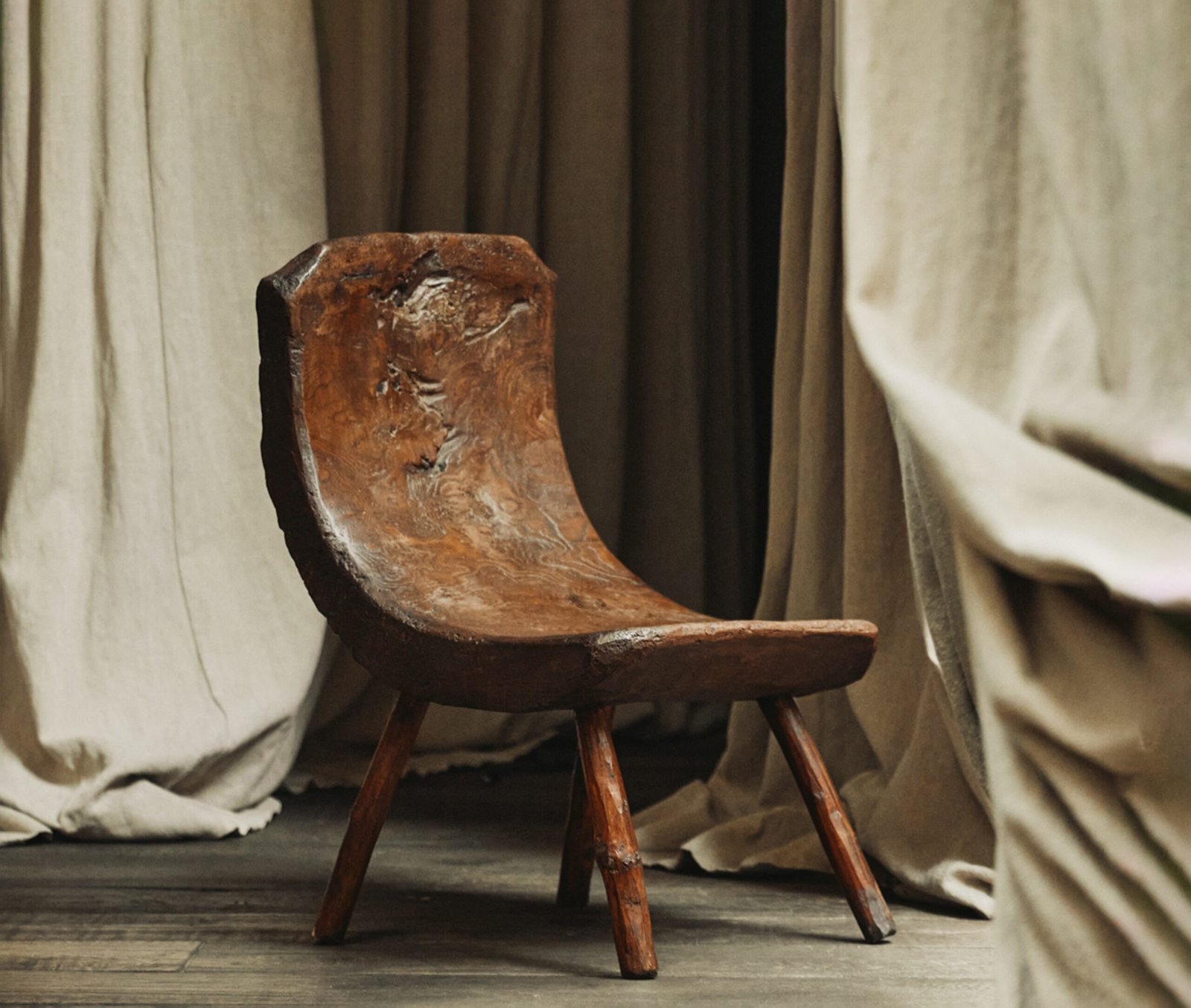
Furniture often reveals more about a period than we might expect. The materials selected, the way an object is constructed, and even the relationship between comfort and appearance can reflect changing attitudes toward technology, architecture, and everyday life. This makes 20th-century furniture particularly fascinating for anyone interested in design history.
For collectors, vintage furniture offers an opportunity to bring these stories into contemporary interiors. A carefully selected chair, cabinet, table, lighting piece, or decorative object can function as both a practical element and a reminder of the design ideas that shaped its era.
In Antwerp, Goldwood by Boris is connected with this world of vintage furniture, collectible design, and decorative objects, offering design enthusiasts an opportunity to explore pieces from a century characterized by experimentation and creativity.
A Century of Changing Design Ideas
The 20th century introduced dramatic changes to furniture design. Traditional craftsmanship remained important, but designers increasingly explored industrial production, new materials, and simplified construction methods.
Modernist designers often focused on function, geometry, and clarity. Later movements introduced greater freedom in color, texture, and form. By the final decades of the century, furniture could be deliberately playful, sculptural, unconventional, or highly expressive.
These developments created a remarkably varied design landscape. As a result, collectors today can explore many different interpretations of furniture, each connected to a particular cultural and technological context.
Understanding these shifts helps explain why vintage furniture can feel so distinctive. A piece is not simply an isolated object; it is part of a larger conversation about how people imagined their homes and surroundings.
Looking at Furniture With a Collector’s Eye
A collector’s perspective often begins with observation. Instead of considering only whether a piece looks attractive, it is useful to examine its construction, proportions, materials, and condition.
Look closely at joints and connections. Consider how surfaces have been finished and whether components appear original. Examine upholstery, hardware, and signs of previous restoration. These details can help establish a better understanding of an object’s history.
Scale is also important. A photograph may suggest that a chair or table has a certain presence, but physical dimensions can create a very different impression. Experiencing furniture in person allows collectors to appreciate its weight, texture, comfort, and craftsmanship more fully.
This attention to detail can turn furniture shopping into a process of discovery.
Materials as Evidence of Craftsmanship
Materials are an essential part of a furniture piece’s identity. Wood can reveal grain patterns and finishing techniques, while metal may demonstrate industrial manufacturing methods. Glass, leather, textiles, and synthetic materials each contribute different visual and tactile qualities.
The way these materials are combined can be equally significant. Some designs rely on contrast, placing warm natural surfaces against industrial structures. Others use a single material to emphasize shape and proportion.
With vintage furniture, time adds another dimension. Natural aging can create variations in color and texture that were not present when an object was first produced. Recognizing these changes can help collectors distinguish between authentic character and later alterations.
Understanding Condition and Restoration
Age does not automatically mean deterioration. Many vintage pieces remain remarkably functional after decades of use, particularly when they were originally made with durable materials and sound construction.
However, condition should always be considered carefully. Structural stability, surface treatments, upholstery, repairs, and replacement parts can all affect a piece.
Restoration can help extend the life of furniture, but excessive intervention may remove evidence of its history. For collectors, the challenge is often to find a sensible balance between usability and preservation.
A thoughtfully maintained vintage object does not necessarily need to appear untouched. Small traces of use can contribute to its character and demonstrate that it has been part of real environments over time.
Vintage Furniture in Modern Interiors
One of the strengths of collectible design is its adaptability. Historic furniture can work effectively within contemporary settings when selected according to proportion, material, and visual balance.
A distinctive mid-century chair can provide contrast in a minimalist room. An older wooden cabinet can soften a space dominated by modern surfaces. A sculptural lamp can introduce an artistic element without requiring additional decoration.
Combining periods can also make an interior feel more personal. Rather than matching every piece, designers and homeowners can allow different objects to communicate with one another through shape, texture, and scale.
This approach gives vintage furniture a practical purpose beyond collecting. These objects can continue to participate in everyday life.
The Role of Research in Collecting
Knowledge can make a significant difference when evaluating collectible furniture. Learning about designers, manufacturers, production methods, and historical movements helps collectors ask better questions.
Documentation may include labels, maker’s marks, catalogues, published references, photographs, or other records. Such information can help establish an object’s background, although documentation varies considerably between pieces.
The work associated with boris devis reflects an appreciation for the individual qualities and histories of furniture and decorative objects. For those exploring collectible design in Antwerp, Goldwood by Boris provides an avenue for discovering pieces connected to the rich and varied design heritage of the 20th century.
A careful approach to research also encourages realistic expectations. Not every vintage object has a famous designer or extensive provenance. Sometimes the appeal lies in craftsmanship, unusual construction, material quality, or simply an exceptionally successful design.
Building a Collection With Character
A meaningful collection can develop slowly. Rather than filling a space quickly, collectors can take time to discover objects that genuinely complement their interests and surroundings.
Some may concentrate on one period or designer, while others prefer an eclectic selection. Both approaches can work when individual pieces have qualities that make them worth living with.
The strongest collections often reveal something about their owners. They may contain objects connected by material, shape, history, or simply a shared appreciation for thoughtful design.
Keeping Design Alive
The continued interest in 20th-century furniture demonstrates how design can travel across generations. Objects created decades ago can still feel useful, expressive, and relevant when placed in the right environment.
Collecting vintage furniture is therefore not only about preserving the past. It is also about giving well-designed objects another opportunity to function, inspire, and become part of new surroundings.
For anyone beginning to explore collectible design, the most rewarding approach is often one based on curiosity. Look closely, ask questions, learn about materials and history, and consider how an object fits into both its original context and modern life. In doing so, vintage furniture becomes more than decoration—it becomes a lasting connection between craftsmanship, design history, and contemporary living.
Congrats! You’ve Finished This Blog.