Healthy bones and joints help us walk, work, exercise, and perform everyday activities comfortably. However, accidents, sports injuries, age-related changes, and bone diseases can affect mobility and cause persistent pain. Choosing the right hospital can help patients receive an accurate diagnosis, appropriate treatment, and a safe recovery plan.
When searching for the Best orthopaedic hospital in Bilaspur, patients should consider the hospital’s medical expertise, diagnostic facilities, treatment options, and rehabilitation services. A reliable hospital should focus on understanding each patient’s condition before recommending a treatment plan.
Whether someone experiences joint pain, a fracture, a ligament injury, or a spinal problem, timely medical attention can prevent complications and support recovery. Patients should choose an orthopaedic facility that offers personalised care and clear communication throughout treatment.
What Conditions Does an Orthopaedic Hospital Treat?
Orthopaedic hospitals diagnose and treat conditions affecting bones, joints, muscles, ligaments, tendons, and the spine. These conditions can affect people of all ages, from children with bone injuries to older adults experiencing joint stiffness.
Common orthopaedic conditions include:
- Bone fractures: Broken bones caused by falls, road accidents, or sports injuries.
- Joint pain: Discomfort affecting the knees, shoulders, hips, ankles, or elbows.
- Arthritis: Joint inflammation that can cause pain, swelling, and reduced movement.
- Ligament injuries: Damage to the tissues that connect bones and stabilise joints.
- Spinal conditions: Problems involving the vertebrae, discs, and surrounding structures.
- Sports injuries: Muscle tears, sprains, dislocations, and other activity-related injuries.
- Bone deformities: Structural problems that may affect posture, movement, or physical development.
The right hospital evaluates the severity of each condition and recommends suitable treatment. Depending on the diagnosis, patients may need medication, immobilisation, physiotherapy, minimally invasive procedures, or surgery.
How Can You Identify the Best Orthopaedic Hospital in Bilaspur?
Finding the Best orthopaedic hospital in Bilaspur requires careful consideration of several factors. Patients should look beyond promotional claims and evaluate the quality of medical services available.
- Check the Experience of Orthopaedic Specialists
An experienced orthopaedic specialist can assess bone and joint problems, interpret diagnostic findings, and recommend appropriate treatment. Patients should ask about the doctor’s qualifications, clinical experience, and expertise in treating their specific condition.
For example, a patient with a complex fracture may need a specialist experienced in fracture fixation, while someone with persistent knee pain may benefit from an evaluation focused on joint disorders.
- Look for Reliable Diagnostic Facilities
Accurate diagnosis helps doctors understand the nature and severity of an injury. Depending on the patient’s symptoms, the medical team may recommend X-rays, CT scans, MRI scans, or laboratory tests.
Suitable diagnostic facilities can help doctors identify fractures, ligament damage, joint abnormalities, and other musculoskeletal conditions. Patients should also receive a clear explanation of their diagnosis and available treatment options.
- Evaluate Emergency and Surgical Care
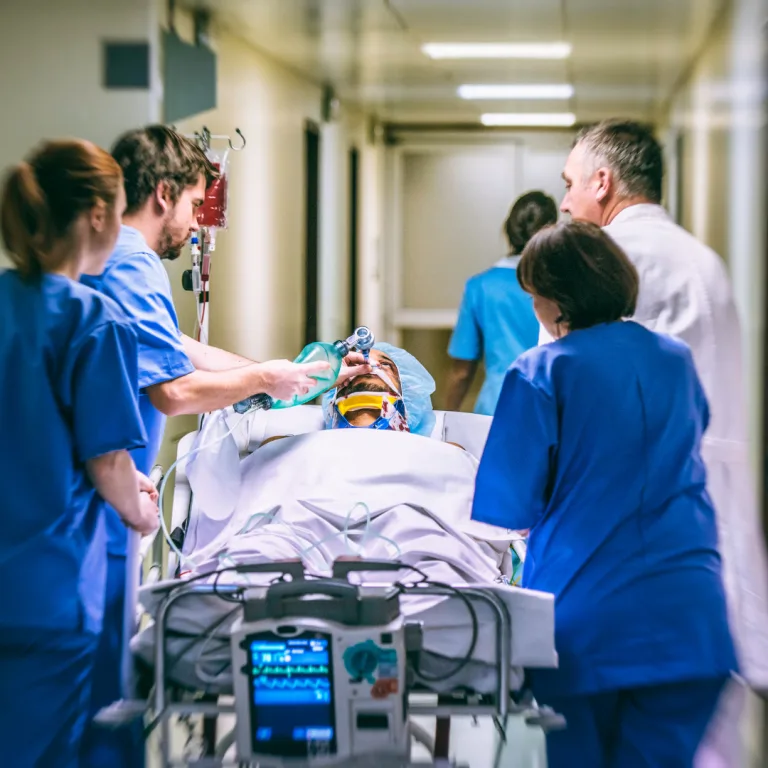
Accidents can cause serious bone injuries that require immediate medical attention. A hospital’s ability to assess urgent injuries, stabilise patients, and arrange appropriate treatment can make an important difference.
Patients who may need surgery should ask about the hospital’s surgical facilities, infection-control practices, anaesthesia services, and postoperative monitoring.
- Consider Rehabilitation Services
Recovery does not always end when a fracture heals or surgery is complete. Many patients need physiotherapy to rebuild strength, improve flexibility, restore balance, and regain normal movement.
A hospital that coordinates orthopaedic treatment with rehabilitation can help patients work towards their individual recovery goals.
What Fracture Treatment in Bilaspur Is Available for Broken Bones?
A fracture can occur after a fall, a road accident, a workplace injury, or a sports-related incident. The appropriate treatment depends on the location of the break, its severity, the patient’s age, and whether the surrounding tissues have sustained damage.
People looking for Fracture treatment in Bilaspur should seek a medical evaluation as soon as possible after a suspected broken bone.
Non-Surgical Fracture Treatment
Doctors can treat many stable fractures without surgery. Depending on the injury, they may recommend:
- Plaster casts or removable braces to keep the bone stable.
- Splints to support the injured area during the initial assessment and treatment.
- Pain management under medical supervision.
- Follow-up X-rays to monitor bone healing.
- Physiotherapy when the doctor confirms that movement is appropriate.
Patients should follow medical instructions carefully and attend scheduled appointments. Removing a cast too early or placing excessive weight on an injured limb can interfere with recovery.
Surgical Fracture Treatment
Some fractures require surgery to restore the bone’s alignment and stability. Doctors may recommend surgical treatment for displaced, unstable, open, or complex fractures.
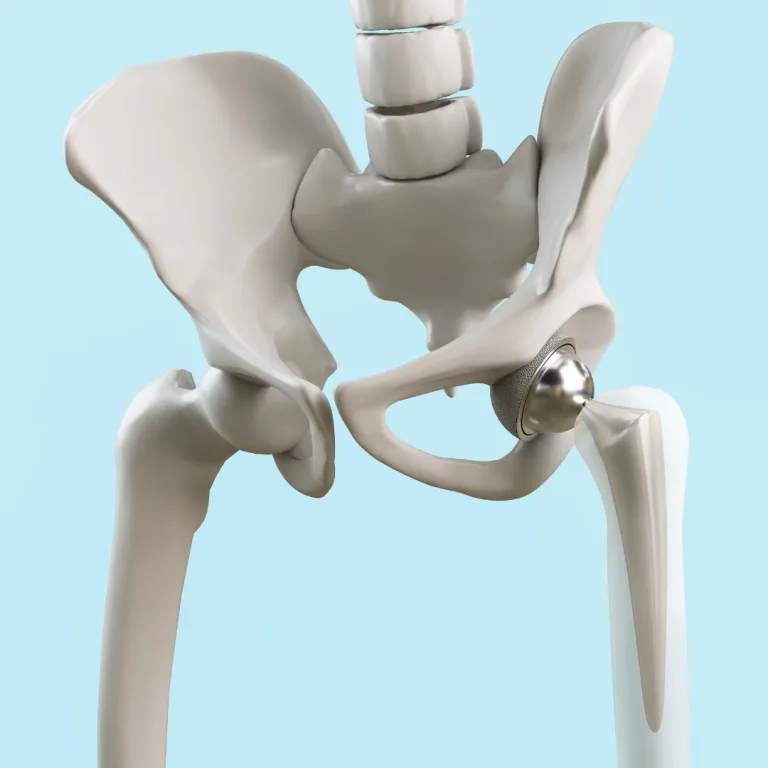
Depending on the injury, surgical options may include internal fixation with plates and screws, rods, or other appropriate implants. Certain fractures may require external fixation or additional procedures.
The surgeon selects the method after evaluating the fracture and the patient’s overall health. After surgery, the medical team monitors healing and provides instructions for wound care, activity restrictions, and rehabilitation.
What Should You Do After a Suspected Fracture?
If you suspect a fracture, avoid unnecessary movement and seek urgent medical attention. Support the injured area without attempting to straighten the bone yourself.
For an open fracture, heavy bleeding, severe deformity, or a suspected spinal injury, seek emergency care immediately. Do not attempt to push exposed bone back into place or move a person with a possible spinal injury unless an immediate danger requires it.
When Should You Consult an Orthopaedic Doctor?
Many people ignore joint discomfort until it begins to interfere with daily activities. However, early medical assessment can help identify the cause of persistent symptoms and guide appropriate treatment.
Consider consulting an orthopaedic doctor if you experience:
- Persistent pain in the knees, hips, shoulders, or other joints.
- Swelling, stiffness, or reduced joint movement.
- Difficulty walking or putting weight on a limb.
- Repeated sports injuries or joint instability.
- Back pain accompanied by movement difficulties.
- Pain that continues after an injury.
- A suspected fracture or dislocation.
Seek emergency care for severe injuries, visible bone, significant bleeding, sudden deformity, or new weakness and numbness after trauma.
An orthopaedic doctor can assess your symptoms, review your medical history, and recommend further investigations when necessary. Early evaluation may help prevent an injury or joint condition from becoming more difficult to manage.
How Does Physiotherapy Support Bone and Joint Recovery?
Physiotherapy plays an important role in many orthopaedic treatment plans. After an injury or surgery, patients may experience muscle weakness, stiffness, reduced balance, and difficulty performing everyday activities.
A physiotherapist develops exercises according to the patient’s condition and stage of recovery. Treatment may include gentle range-of-motion exercises, muscle strengthening, balance training, gait training, and functional activities.
For patients receiving fracture treatment in Bilaspur, the timing of rehabilitation depends on the type of fracture and the doctor’s assessment of bone healing. Some exercises can begin early, while others must wait until the bone becomes sufficiently stable.
Patients should avoid exercises that cause excessive pain or place unapproved stress on an injured area. Consistent participation in a medically guided rehabilitation programme can support a gradual return to daily activities.
What Factors Should You Consider Before Choosing a Hospital?
Before selecting an orthopaedic hospital, compare the services and practical details that matter to your treatment.
Consider these factors:
- Medical expertise: Confirm that qualified specialists treat your specific condition.
- Available facilities: Check access to appropriate diagnostic tests and treatment procedures.
- Emergency support: Understand how the hospital manages urgent injuries.
- Treatment transparency: Ask about the proposed treatment, expected recovery, and possible risks.
- Rehabilitation support: Find out whether physiotherapy and follow-up care are available.
- Patient communication: Choose a medical team that explains treatment clearly.
- Costs and insurance: Request an estimate and confirm applicable insurance or payment arrangements.
Patients can also review genuine feedback and ask their doctor about the benefits and limitations of different treatment options. These steps can help families make informed decisions without relying solely on advertising or unverified claims.
Why Should Patients Consider Mundra Hospital for Orthopaedic Care?
When exploring orthopaedic treatment options, patients may consider Mundra Hospital as part of their search for medical care in Bilaspur. Before choosing any hospital, confirm the availability of the specialist, diagnostic services, emergency facilities, and treatment options relevant to your condition.
Patients should discuss their symptoms with a qualified doctor and understand the proposed treatment plan before proceeding. They should also ask about expected recovery time, follow-up appointments, rehabilitation requirements, and the total estimated cost.
For people seeking fracture treatment, confirming whether the hospital can manage the specific type of fracture is especially important. Complex injuries may require specialised surgical expertise or referral to another facility.
A careful assessment of available services helps patients select care that matches their medical needs.
How Can You Maintain Healthy Bones and Joints?
Preventive care can reduce the risk of certain injuries and support long-term musculoskeletal health. Although accidents cannot always be avoided, healthy habits can improve strength, balance, and overall mobility.
Follow these practical steps:
- Eat a balanced diet that includes calcium-rich foods and adequate protein.
- Maintain sufficient vitamin D levels through appropriate dietary choices, safe sunlight exposure, or supplements when medically advised.
- Exercise regularly to improve strength, flexibility, and balance.
- Use suitable protective equipment during sports and physical activities.
- Wear comfortable footwear that provides appropriate support.
- Follow workplace and road safety precautions.
- Seek medical advice for persistent pain or recurring injuries.
Older adults and people with osteoporosis risk factors should discuss bone health and fall prevention with a healthcare professional.
How Can You Make the Right Decision for Bone and Joint Care?
Choosing the right orthopaedic hospital involves evaluating specialist expertise, diagnostic services, emergency support, surgical facilities, and rehabilitation options. Patients should select a hospital that can assess their condition carefully and explain the available treatments.
If you are searching for the Best orthopaedic hospital in Bilaspur, compare verified services and consult a qualified orthopaedic specialist before making your decision. For Fracture treatment in Bilaspur, seek prompt medical attention, follow your doctor’s instructions, and attend follow-up appointments to monitor healing.
Mundra Hospital can be included in your research when comparing local healthcare options. Confirm its current orthopaedic services directly and choose treatment based on your diagnosis, medical needs, and the expertise available.
With timely care, an appropriate treatment plan, and consistent rehabilitation, many patients can improve their mobility, manage pain, and return to their everyday activities more confidently.
Congrats! You’ve Finished This Blog.