Music is more than an enjoyable hobby; it is an opportunity to develop creativity, discipline, confidence, and self-expression. From introducing young children to rhythm and melody to helping adults master an instrument, structured music education supports learners at different stages of life. Choosing suitable lessons, experienced instructors, and a positive learning environment can make musical development both rewarding and sustainable.
Finding the Right Music School in Singapore
Choosing the Best Music School in Singapore involves evaluating teaching methods, instructor experience, lesson flexibility, and opportunities for students to practise and perform. A quality music school should provide a structured curriculum while recognising that every learner has different interests, abilities, and goals.
Beginners benefit from clear instructions and strong technical foundations, while experienced students need opportunities to refine their interpretation and performance skills. A supportive environment encourages students to ask questions, learn from mistakes, and celebrate progress throughout their musical journey.
Parents should also consider whether the programme suits their child’s age and learning preferences before making a decision.
Introducing Preschoolers to Music
Early exposure to music helps children explore sounds, movement, rhythm, and creative expression. Music enrichment for preschoolers often includes singing, clapping exercises, movement games, and simple percussion activities that make learning enjoyable.
These experiences can encourage listening skills, coordination, and social interaction. Participating in group activities also introduces children to taking turns, following instructions, and expressing themselves through sound.
One common question parents ask is, When should kids start music lessons? Children can experience music from infancy through singing and listening, while formal lessons may begin when they show interest and readiness. The appropriate age depends on the instrument and the individual child’s development.
Keeping early lessons playful and age-appropriate can help children develop a lasting appreciation for music without unnecessary pressure.
Supporting Children’s Development After School
Extracurricular activities allow children to explore interests outside their academic routines. After school music programmes provide opportunities to learn instruments, practise regularly, and develop musical knowledge in a structured environment.
Music practice requires concentration, repetition, and attention to detail. This explains why Music lessons improve focus can be a relevant consideration for parents seeking enriching activities. Students learn to follow rhythms, remember sequences, and coordinate their movements while working towards specific goals.
Furthermore, Music classes for confidence can encourage children to express themselves and become more comfortable performing in front of others. Recitals and group performances offer opportunities to manage nervousness, receive feedback, and recognise personal achievements.
Although individual outcomes vary, an encouraging musical environment can help students approach challenges with greater confidence and persistence.
Preparing for DSA Music in Singapore
The Direct School Admission scheme offers eligible students opportunities to apply to participating secondary schools based on demonstrated strengths, including music where offered. The DSA music programme Singapore pathway may suit students who want to continue developing their musical abilities during secondary education.
Families researching DSA music Singapore should review the official admission requirements of their preferred schools. Depending on the institution, applicants may be assessed through auditions, interviews, instrumental performances, portfolios, or other relevant criteria.
Effective DSA music preparation begins with understanding these expectations and creating a consistent practice schedule. Students can improve instrumental technique, refine selected pieces, strengthen rhythm, and develop musical interpretation. Practice auditions can also help them become more comfortable performing under assessment conditions.
Preparation should prioritise long-term musical development rather than admission alone. Building strong fundamentals supports continued progress and helps students approach auditions with realistic expectations.
Developing Guitar Skills Through Structured Lessons
The guitar appeals to learners interested in acoustic music, pop, rock, and songwriting. Students considering Guitar lessons east Singapore should evaluate teaching experience, accessibility, and whether lessons reflect their preferred musical styles.
A structured Guitar Lesson Singapore programme may cover tuning, posture, chord transitions, strumming patterns, fingerpicking, and basic music theory. As learners progress, they can explore more complex arrangements, improvisation, and advanced techniques.
Consistent practice is essential for developing coordination and accuracy. Working towards achievable milestones, such as mastering a song or improving chord transitions, can keep students motivated while making progress easier to recognise.
Piano Lessons for Every Generation
The piano provides a strong foundation for understanding melody, harmony, rhythm, and musical notation. Students exploring Piano lessons Singapore should seek programmes that combine practical playing with technical exercises, music theory, and expressive interpretation.
Families looking for Piano lessons East Singapore may consider convenient locations, scheduling options, and teaching approaches suited to their children’s needs. Well-planned Piano Classes Singapore can accommodate beginners and progressing students through structured exercises and appropriate repertoire.
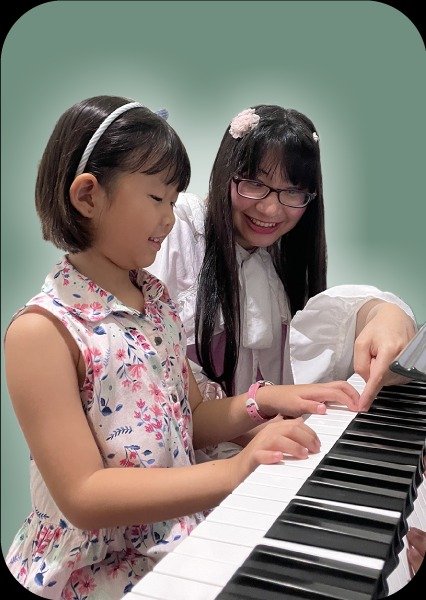
For younger learners, Kids piano lessons Singapore should introduce keyboard familiarity, finger coordination, rhythm, and simple melodies in an engaging format. A suitable Piano Lesson for Kids gradually develops technique while keeping lessons enjoyable and encouraging.
Adults can also benefit from learning an instrument. Adults Piano Lessons offer opportunities to begin playing for the first time, revisit previous musical experience, or pursue a personal ambition. With realistic goals and regular practice, adult learners can develop their abilities at a comfortable pace.
Conclusion
Music education creates opportunities for creativity, personal growth, and lifelong enjoyment. From early childhood enrichment and after-school programmes to DSA preparation, guitar instruction, and piano lessons, choosing an appropriate learning environment helps students work towards their individual goals. prestostudios supports musical learning through structured instruction and opportunities for continued development. With consistent practice, suitable guidance, and a positive attitude, children and adults can strengthen their musical abilities and enjoy a rewarding learning experience. Families exploring music education in Singapore may consider prestostudios when comparing suitable programmes for their needs.
Congrats! You’ve Finished This Blog.