Humidity management is an important requirement for maintaining comfortable indoor environments and protecting valuable commercial and industrial assets. Excess moisture can affect building structures, damage stored products, encourage mould growth, and interfere with sensitive manufacturing processes. In tropical regions such as Singapore, these challenges make reliable dehumidification equipment an essential investment.
A modern Desiccant Dehumidifier provides an effective solution for removing unwanted moisture and maintaining controlled indoor humidity. With different equipment designs and installation options available, businesses can select systems that match their operational requirements, building layouts, and environmental conditions.
Understanding the Importance of Desiccant Dehumidification
A Desiccant Dehumidifier uses specialised moisture-absorbing materials to extract water vapour from the air. When humid air passes through the desiccant material, moisture is captured through adsorption. The collected moisture is subsequently removed through a regeneration process, allowing the equipment to continue operating.
This technology is particularly valuable in environments where maintaining low relative humidity is important. It can also provide advantages in certain low-temperature applications where conventional cooling-based systems may become less effective.
Desiccant technology is widely considered for specialised storage facilities, manufacturing environments, laboratories, and commercial buildings that require precise moisture management.
Selecting Suitable Dehumidifier Configurations
Different facilities have different installation requirements. Choosing the correct equipment configuration can improve operational convenience, airflow distribution, and available space utilisation.
Ceiling Mounted Dehumidifier
A Ceiling Mounted Dehumidifier is designed for buildings where preserving floor space is a priority. Its elevated installation makes it suitable for offices, laboratories, commercial premises, and specialised indoor environments.
These systems can integrate with appropriate ventilation arrangements and provide effective humidity management when correctly installed. Businesses should evaluate ceiling height, airflow requirements, and maintenance accessibility before selecting this configuration.
Floor Standing Dehumidifier
A Floor Standing Dehumidifier offers a convenient installation option for facilities with sufficient available space. Its accessible position makes inspection, servicing, and routine maintenance easier.
This equipment can be suitable for warehouses, industrial facilities, workshops, and storage areas where dedicated moisture-control equipment is required.
Portable Dehumidifier
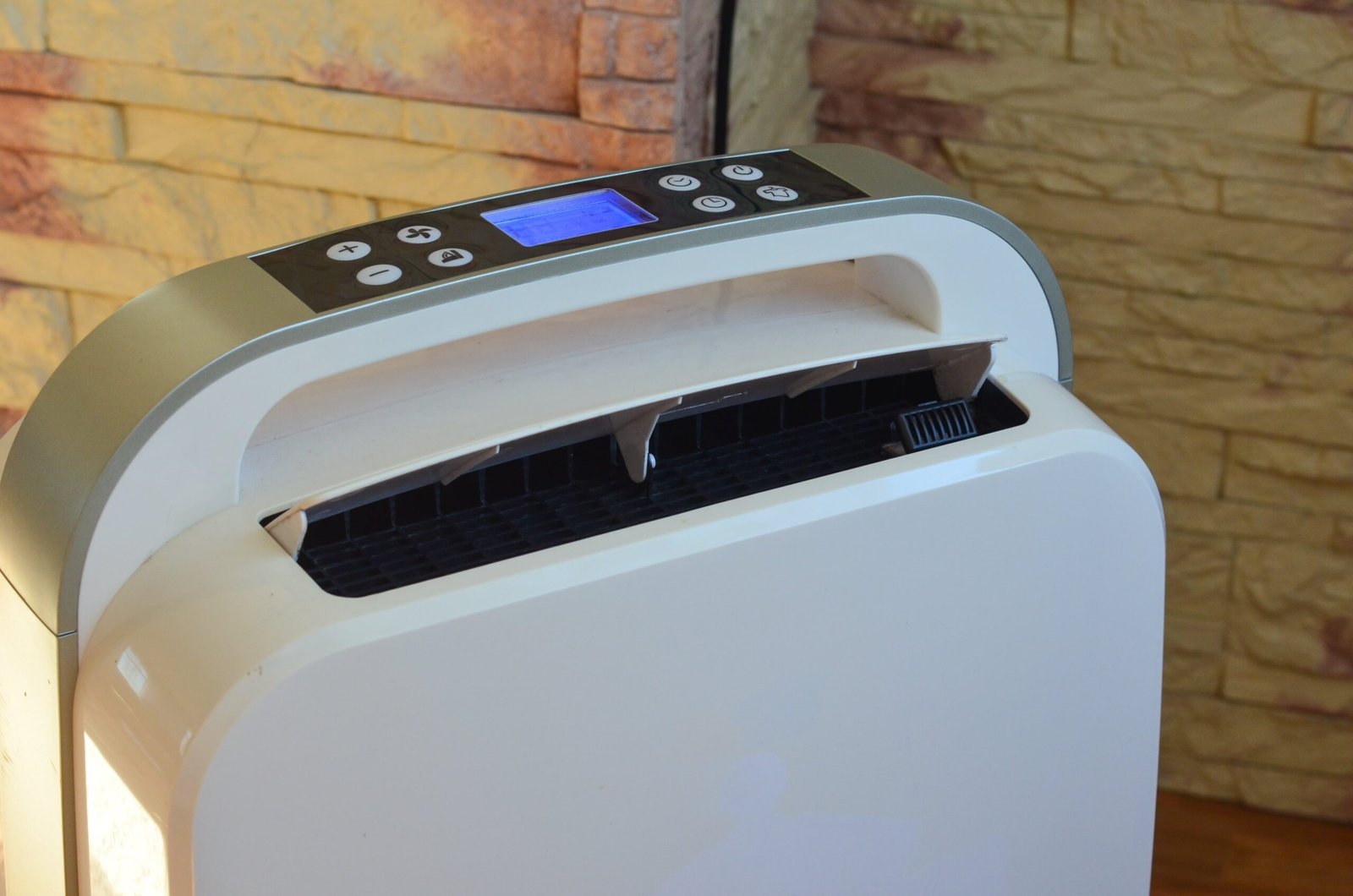
A Portable Dehumidifier provides flexibility for applications where moisture-control requirements may change. Its movable design allows businesses to position equipment in different locations according to their operational needs.
A Portable Desiccant Dehumidifier can be especially useful in specialised environments where low humidity or relatively low operating temperatures are important considerations.
Commercial Humidity Management Solutions
Commercial buildings require appropriate humidity levels to maintain suitable indoor conditions and protect valuable property.
A Commercial Dehumidifier can help control excessive moisture in offices, hotels, retail establishments, laboratories, and commercial storage facilities.
High humidity can contribute to condensation, unpleasant indoor conditions, and deterioration of sensitive materials. Installing appropriately sized equipment helps businesses maintain controlled environments and reduce moisture-related risks.
Before purchasing commercial equipment, organisations should evaluate building dimensions, ventilation arrangements, moisture sources, and daily operating requirements.
Industrial Applications of Advanced Dehumidification
Industrial facilities often require more specialised moisture-control solutions because humidity can influence manufacturing quality, equipment performance, and product storage.
An Industrial Dehumidifier is suitable for demanding environments where maintaining consistent moisture conditions is essential.
Industries such as pharmaceuticals, electronics, food processing, and precision manufacturing can benefit from carefully controlled humidity. Effective dehumidification can help minimise condensation, protect sensitive components, and maintain suitable conditions for production and storage.
The equipment should be selected according to the facility’s moisture load, airflow requirements, operating temperature, and desired humidity range.
Benefits of Ducted and Ceiling Dehumidification Systems
A Ducted Dehumidifier offers a centralised solution for buildings that require moisture control across several rooms or large indoor areas. It distributes treated air through an integrated duct network, helping maintain consistent humidity conditions throughout designated spaces.
This arrangement can be suitable for commercial buildings, warehouses, and manufacturing facilities.
A Ceiling Dehumidifier provides another space-efficient option for locations where discreet equipment installation is preferred. Depending on its design, it can complement existing building ventilation systems.
Both configurations require appropriate engineering to ensure correct airflow, equipment capacity, and convenient servicing.
Comparing Desiccant and Refrigerant Technologies
A refrigerant dehumidifier removes moisture by cooling humid air until water vapour condenses into liquid. This technology is commonly used in conventional residential and commercial applications.
Desiccant systems operate through moisture adsorption rather than condensation. They can be particularly useful when lower humidity levels are required or when operating temperatures make refrigeration-based moisture removal less suitable.
A Commercial Cool Dehumidifier may be appropriate for facilities where conventional cooling-based technology meets the required humidity targets.
Businesses should compare operating conditions, energy consumption, moisture-removal capacity, maintenance expenses, and installation requirements before selecting a system.
Affordable Equipment and Long-Term Performance
Finding a Cheap Desiccant Dehumidifier can be an important consideration for organisations working within specific budgets. However, purchasing decisions should account for more than the initial equipment price.
Businesses should examine energy efficiency, moisture-removal capacity, component quality, maintenance requirements, and expected operating life.
An appropriately selected system can provide better long-term value by delivering consistent performance and helping reduce moisture-related problems.
Why Singapore Requires Reliable Dehumidification
Singapore’s tropical climate creates persistent humidity challenges for commercial and industrial facilities. Warehouses, manufacturing plants, laboratories, and storage environments often require effective indoor moisture management.
A suitable Singapore Dehumidifier can help businesses maintain appropriate environmental conditions and protect valuable materials.
Selecting a Desiccant Dehumidifier Singapore solution involves assessing building dimensions, moisture generation, ventilation, operating temperatures, and required relative humidity.
Professional evaluation can help determine the right equipment capacity and installation configuration. risensg recognises the importance of reliable moisture-control solutions for businesses seeking efficient environmental management.
Factors to Consider Before Purchasing
Before investing in dehumidification equipment, businesses should consider:
- Required moisture-removal capacity.
- Indoor temperature and relative humidity.
- Installation space and ventilation requirements.
- Energy consumption and operating expenses.
- Maintenance accessibility and technical support.
- Equipment reliability and expected service life.
Evaluating these factors helps organisations choose suitable equipment for their facilities.
Conclusion
Effective moisture management is essential for protecting commercial buildings, industrial products, machinery, and sensitive materials. Whether selecting a Desiccant Dehumidifier, a Ceiling Mounted Dehumidifier, a Floor Standing Dehumidifier, or a Portable Dehumidifier, businesses should prioritise application requirements, energy efficiency, and equipment reliability.
With suitable planning, professional installation, and regular maintenance, modern dehumidification systems can provide dependable humidity control and support long-term operational efficiency.
Congrats! You’ve Finished This Blog.