Timeless interiors are shaped by ideas that extend beyond passing trends. They bring together craftsmanship, cultural heritage, architectural thinking, natural materials, and furniture with a distinctive visual identity. From traditional Folk art to contemporary interpretations of Vernacular design, these influences demonstrate how meaningful objects can transform a space. The strongest interiors are not simply decorated; they are thoughtfully composed around pieces that offer beauty, function, and lasting character.
The relationship between nature and design is particularly visible in Alpine Design. Its emphasis on timber, craftsmanship, durable construction, and practical forms creates interiors that feel warm and authentic. A similar character can be found in Rural design, where natural materials and straightforward construction create an atmosphere of comfort. Rustic Furniture complements these principles through organic textures, visible wood grain, handcrafted details, and substantial silhouettes.
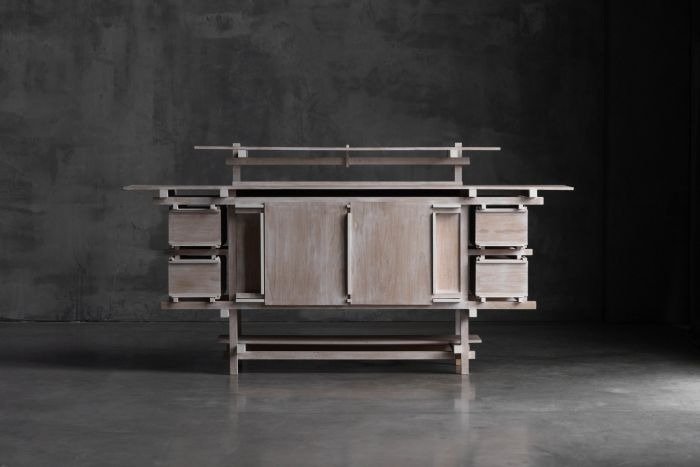
Architectural discipline can provide a contrasting but equally compelling direction. Dom Hans van der Laan explored proportion, geometry, and spatial relationships, showing how simplicity can create visual richness. His approach encourages a careful understanding of scale and balance. Wabi Sabi offers another interpretation of simplicity by recognizing the beauty of imperfection, natural aging, irregular surfaces, and subtle material variation. Together, these ideas encourage interiors that feel genuine rather than overly polished.
Historical design movements continue to provide inspiration for contemporary spaces. The Amsterdamse School introduced expressive forms and exceptional craftsmanship into architecture and interiors. Its decorative yet structured language remains distinctive. Art Deco brought another interpretation of sophistication through geometry, symmetry, luxurious materials, and elegant detailing. Both movements demonstrate how a strong visual identity can make furniture and interiors memorable.
The development of Mid-Century Design introduced a more streamlined relationship between furniture and everyday life. Clean lines, organic shapes, practical construction, and innovative materials became defining characteristics. This design philosophy remains influential because it combines visual simplicity with functionality. Furniture is not merely an accessory but an essential component of how a room operates and feels.
International perspectives expand this design vocabulary even further. Brazilian Design is known for its expressive use of natural materials, handcrafted construction, and connection between architecture and the surrounding environment. The work of Pierre Chapo demonstrates the sculptural possibilities of solid timber. His furniture highlights material strength and craftsmanship while maintaining a practical purpose.
The contribution of Charlotte Perriand is equally significant. Her work explored the relationship between people, furniture, and modern living. Comfort, usability, and material awareness were central to her approach. This philosophy aligns closely with Functional Art, where furniture can simultaneously provide practical value and artistic expression. A carefully designed chair, table, or cabinet can therefore become both a useful object and a defining visual element.
Engineering also has an important place in modern furniture history. Jean Prouvé incorporated structural principles into furniture, allowing construction methods to influence form. His work demonstrates how technical intelligence and aesthetic refinement can coexist. Afra & Tobia Scarpa explored similar relationships between technology, materials, comfort, and craftsmanship, creating designs that continue to influence contemporary furniture.
Few examples demonstrate the power of sculptural furniture as clearly as the work of Mario Bellini. His designs often blur the distinction between furniture and architecture. The Camaleonda is particularly notable for its modular structure, allowing individual elements to be arranged according to different spatial needs. Its combination of comfort, adaptability, and distinctive form demonstrates how furniture can shape the character of an entire room.
Natural timber remains a central material within collectible design. Nakashima approached wood with extraordinary sensitivity, celebrating its grain, natural edges, knots, and irregularities. Instead of hiding these characteristics, his work made them essential to the design. Pierre Jeanneret also created furniture in which geometric construction and natural materials work together, producing forms that remain recognizable and relevant across different interior styles.
This rich history provides valuable context for the contemporary design philosophy associated with boris devis. Collectors today often look for furniture that possesses more than surface appeal. Material quality, craftsmanship, historical relevance, proportion, and individuality have become important considerations. Goldwood by Boris furniture can be appreciated within this wider movement toward objects that provide both visual impact and lasting design value.
For those exploring Goldwood by Boris Antwerp, the emphasis can extend beyond individual pieces to the creation of complete interior experiences. Goldwood by Boris interiors can combine contrasting influences while maintaining a coherent atmosphere. Rustic timber can complement modern architecture, while sculptural seating can introduce softness and movement. Historic pieces can provide depth without making a room feel dated.
The approach associated with a Boris Devis designer perspective also highlights the importance of thoughtful selection. Furniture should have room to express its individual character while contributing to the overall composition. A substantial table can establish a visual anchor, a distinctive chair can introduce contrast, and a carefully selected cabinet can add texture and storage without disrupting the room’s balance.
The Goldwood by Boris collection reflects an appreciation for furniture that connects craftsmanship with design heritage. In this context, Goldwood by Boris represents a broader understanding of interiors where authentic materials, distinctive forms, and functional considerations work together. Each object can become part of a larger narrative shaped by architecture, lifestyle, and personal taste.
Ultimately, enduring interiors are created by understanding the principles behind great design. Folk art, Vernacular traditions, modernist thinking, industrial innovation, and contemporary craftsmanship all demonstrate that meaningful furniture can transcend its original period. When carefully selected objects combine function, material honesty, proportion, and artistic character, they create spaces that remain compelling long after temporary trends have disappeared.
Congrats! You’ve Finished This Blog.