Architecture plays a fundamental role in transforming ideas into practical, visually appealing, and sustainable environments. From entertainment destinations and healthcare institutions to hospitality projects, retail developments, and event venues, every building requires careful planning and technical coordination. Professional architectural services help developers optimize space, improve functionality, and create environments that meet user expectations while supporting long-term operational efficiency.
Theme Park and Water Park Architectural Planning
Modern entertainment destinations require innovative concepts, organized infrastructure, and engaging visitor experiences. Experienced Theme Park Architects India help developers create comprehensive master plans that integrate attractions, landscaped spaces, dining facilities, retail areas, and entertainment zones.
Professional Amusement Park Design Consultants consider ride placement, pedestrian circulation, waiting areas, emergency access, and supporting amenities. Efficient zoning helps reduce congestion and improves the overall visitor experience. Architects must also coordinate with specialist engineers to address attraction-specific technical and safety requirements.
Businesses looking for Theme Park Design Consultants India can benefit from a coordinated design approach that incorporates themed environments, visual storytelling, accessibility, and operational planning. A well-planned entertainment destination balances creativity with practical infrastructure requirements.
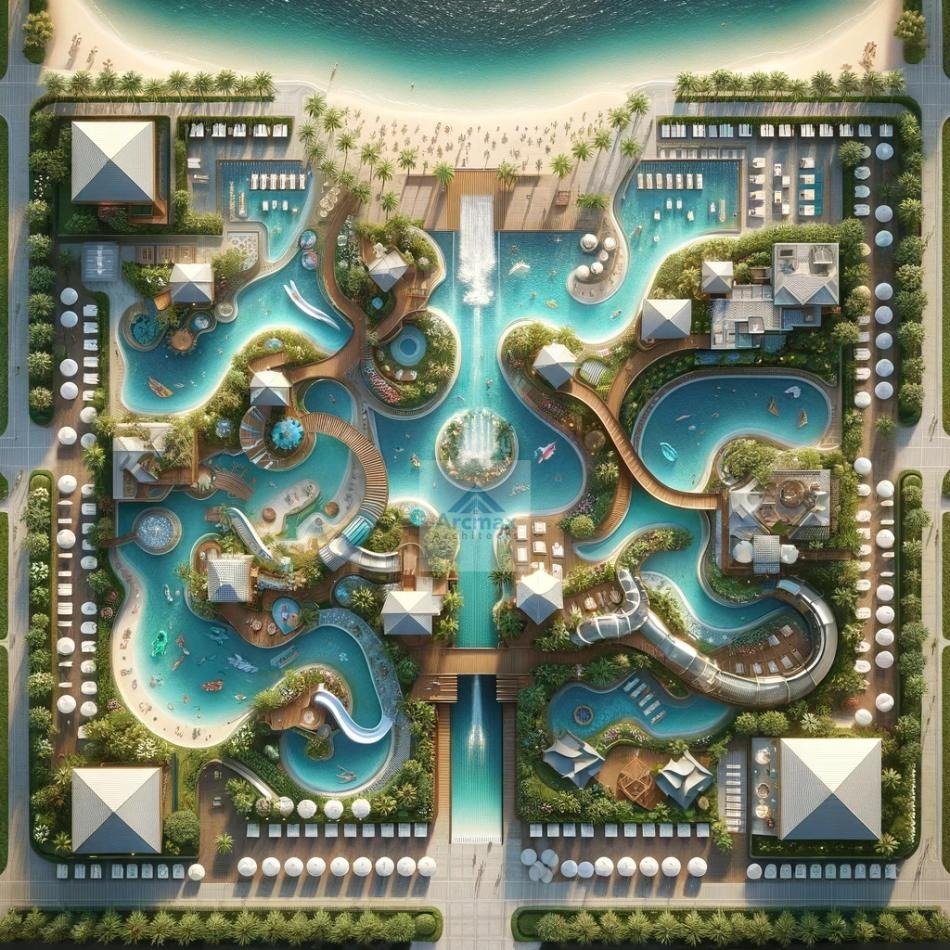
Similarly, Water Park Architects India develop layouts for swimming pools, water slides, children’s splash zones, changing facilities, food outlets, and relaxation areas. Effective drainage, water management, circulation, and service access are essential considerations. Integrating these elements during the initial design stage helps create an organized recreational environment that supports visitor comfort and operational efficiency.
Hospital Design and Healthcare Infrastructure
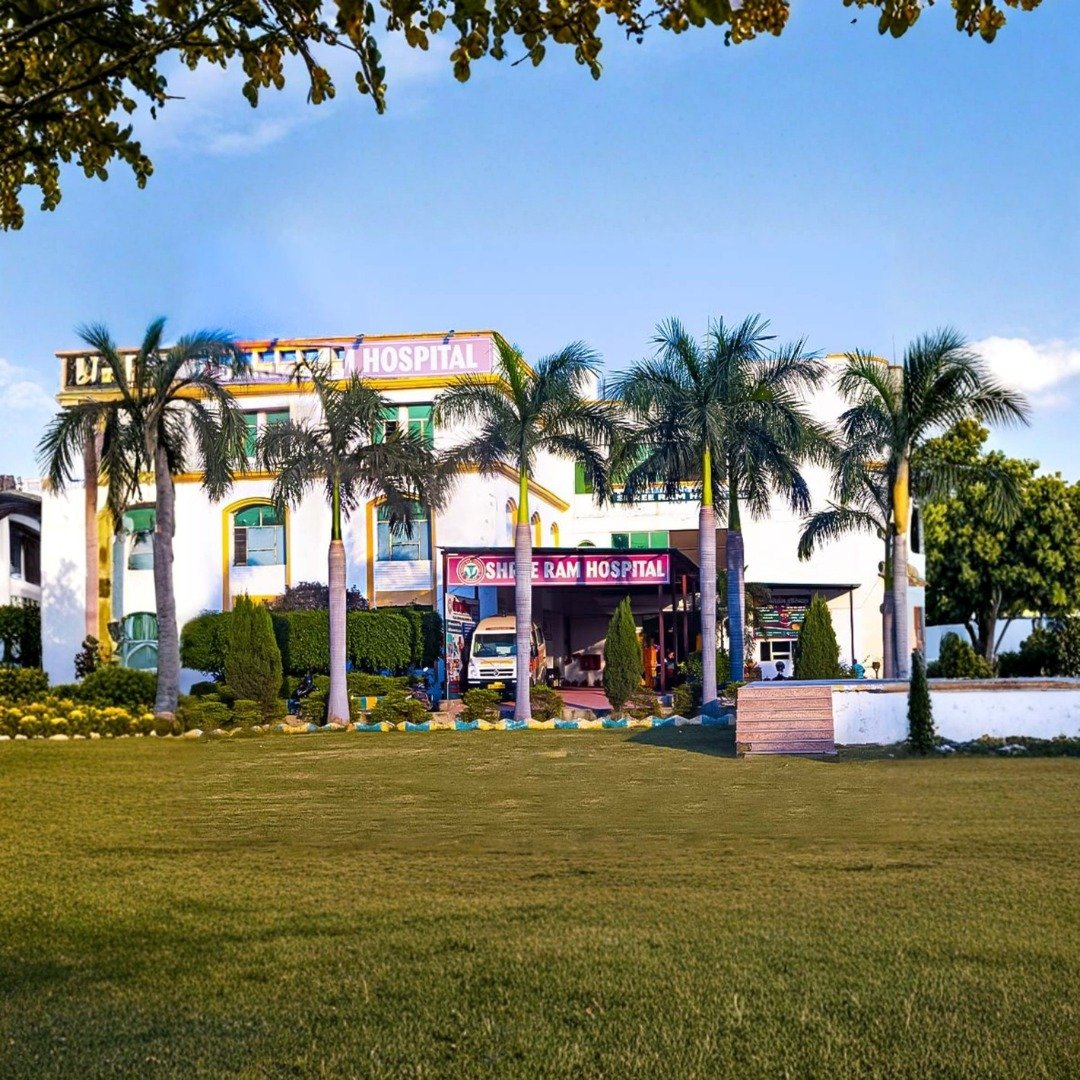
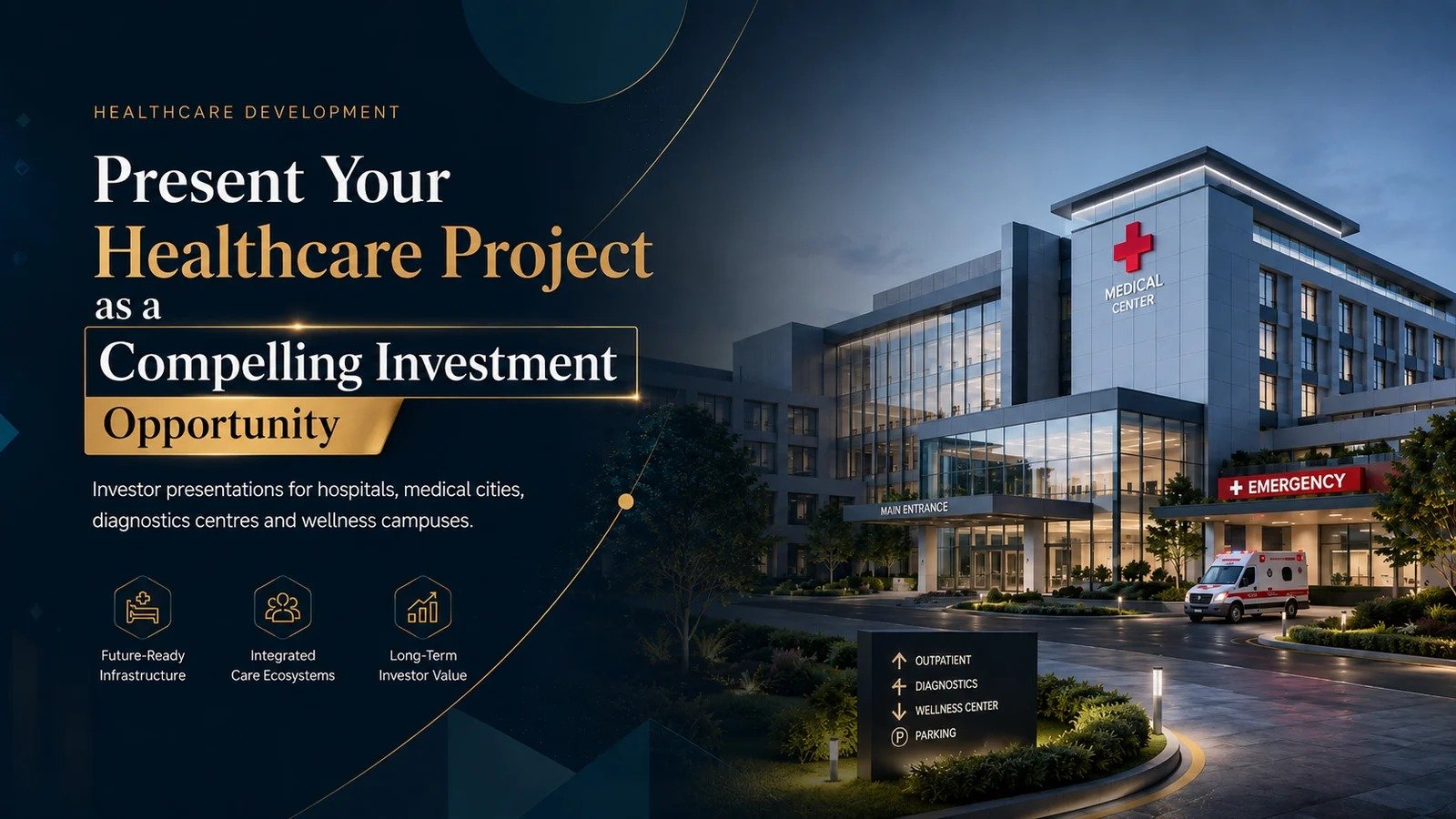
Healthcare architecture requires careful planning to support patient well-being, medical workflows, accessibility, and efficient staff movement. Professional Hospital Design Consultants India help healthcare organizations develop facilities that accommodate clinical services, diagnostic departments, inpatient care, and administrative operations.
Experienced Hospital Planning Consultants India evaluate departmental relationships, patient circulation, emergency entrances, waiting areas, and support services. Proper planning can reduce unnecessary movement and improve coordination between different hospital departments.
Qualified Hospital Design Architects integrate architectural layouts with structural systems, electrical installations, plumbing, ventilation, fire safety, and specialized medical infrastructure. Hospitals may include outpatient departments, intensive care units, operating theatres, laboratories, pharmacies, and rehabilitation areas.
Future expansion, infection prevention, accessibility, and applicable healthcare regulations should be considered from the beginning. A carefully designed hospital provides a more organized environment for patients, visitors, doctors, nurses, and support personnel.
Resort Architecture and Hospitality Design
Hospitality developments require a thoughtful balance between guest comfort, attractive surroundings, and efficient operations. Professional Resort Architects in India create architectural concepts that combine accommodation, recreation, dining, landscaping, wellness facilities, and leisure amenities.
Site analysis is an important part of resort planning. Climate, topography, views, access roads, and surrounding vegetation influence building orientation and outdoor space organization. These considerations help architects establish a cohesive relationship between the built environment and its natural surroundings.
Modern resorts may feature cottages, villas, swimming pools, restaurants, landscaped gardens, spas, and event facilities. Natural lighting, ventilation, durable materials, and climate-responsive design can enhance guest comfort while supporting maintenance efficiency.
Sustainable measures such as rainwater harvesting, energy-efficient lighting, and responsible landscape management can further strengthen the long-term value of hospitality developments.
Shopping Complex and Shopping Mall Design
Commercial architecture must support customer convenience, retail visibility, efficient circulation, and profitable space utilization. Professional Shopping Complex Design focuses on arranging retail units, entrances, common areas, parking facilities, service zones, and pedestrian pathways.
Effective Shopping Mall Design integrates anchor stores, smaller retail outlets, food courts, entertainment facilities, escalators, elevators, and public amenities. A logical layout helps visitors navigate the property comfortably while supporting efficient retail operations.
Architects should consider accessibility, signage, lighting, ventilation, loading areas, emergency exits, and building services. Flexible layouts also allow retail spaces to adapt to changing tenant requirements. Well-designed common areas and attractive interiors can contribute to a welcoming shopping environment.
Marriage Garden and Marriage Hall Architecture
Wedding venues require versatile layouts that accommodate ceremonies, receptions, dining, entertainment, and guest circulation. Professional Marriage Garden Design combines landscaping, stage placement, decorative entrances, seating arrangements, lighting, and supporting facilities.
A functional marriage garden may include landscaped lawns, covered dining spaces, preparation rooms, kitchens, parking areas, and weather-protected event facilities. Proper drainage, accessible pathways, sanitation, and service circulation are essential for smooth event management.
For projects requiring economical and practical solutions, Simple Marriage Hall Design emphasizes efficient space utilization, durable materials, straightforward layouts, and effective lighting. Detailed Marriage Hall Design Plans establish room dimensions, seating capacity, entrances, kitchen placement, and supporting amenities before construction begins.
A well-executed Marriage Hall Design also considers ventilation, acoustics, accessibility, emergency exits, and applicable building regulations. These elements improve functionality while maintaining an attractive atmosphere.
Banquet Hall Design and Event Space Planning
Banquet halls accommodate weddings, business gatherings, celebrations, and social functions. A comprehensive Banquet Hall Design Plan coordinates the main event space with reception areas, dining facilities, kitchens, storage rooms, and service corridors.
Professional Banquet Hall Design focuses on flexible seating arrangements, stage visibility, acoustics, lighting, ventilation, and convenient guest movement. Well-organized service areas allow staff to manage events efficiently while minimizing congestion.
Multipurpose layouts, durable finishes, energy-efficient systems, and manageable maintenance requirements can improve the long-term performance of banquet facilities.
Conclusion
Successful architectural development combines creativity, technical expertise, and functional planning. From entertainment parks and hospitals to resorts, shopping centers, marriage gardens, and banquet halls, professional design coordination helps transform concepts into practical environments. The architectural expertise associated with arcmaxarchitect can support planning for projects with different operational requirements. By prioritizing accessibility, safety, sustainability, and efficient space utilization, developers can create facilities that serve users effectively and deliver lasting value. Choosing appropriate architectural solutions helps establish a strong foundation for successful development and long-term project performance. arcmaxarchitect emphasizes thoughtful design approaches that align architectural planning with functional requirements and development objectives.
Congrats! You’ve Finished This Blog.