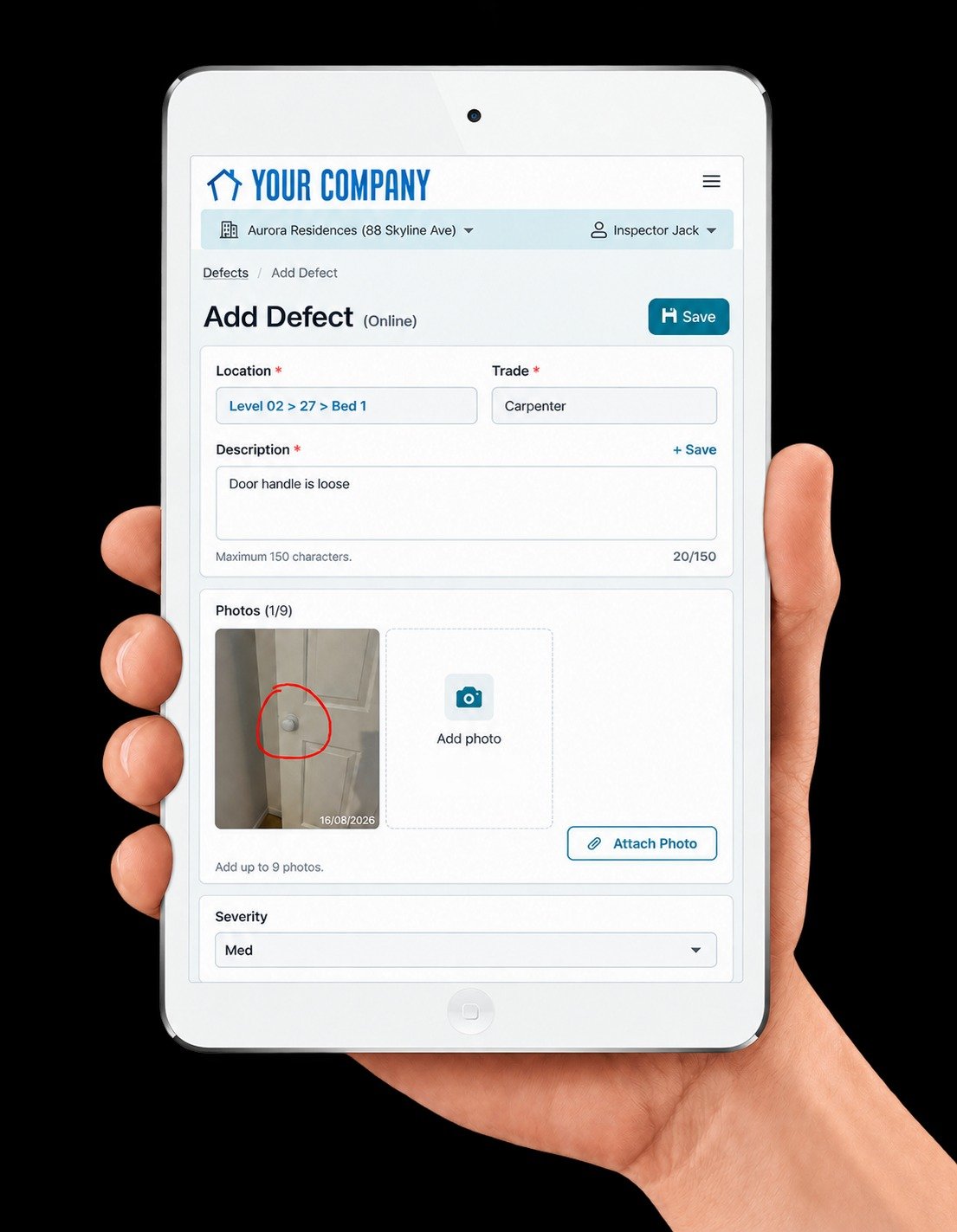
The construction industry requires careful planning, effective communication, and consistent quality control to deliver successful projects. From residential buildings to large commercial developments, identifying defects early and resolving them efficiently are essential for maintaining standards and meeting deadlines. Traditional inspection methods often rely on paper checklists, spreadsheets, and manual reporting, which can lead to delays, missing information, and miscommunication. Modern digital solutions simplify these processes, helping construction teams improve accuracy, accountability, and project performance.
Understanding the Importance of Digital Construction Inspections
Construction inspections help teams identify incomplete work, safety concerns, and quality issues before a project reaches completion. However, managing inspection records manually becomes increasingly difficult as projects grow in size and complexity. A digital Punch List Software solution enables project managers, contractors, and inspectors to document outstanding tasks, assign responsibilities, and monitor progress through a centralized platform.
Instead of relying on scattered documents, teams can maintain organized records and communicate more effectively. This improves visibility across departments and helps ensure that every identified issue receives appropriate attention. Digital inspections also make it easier to track recurring problems, evaluate contractor performance, and maintain consistent quality standards throughout the construction lifecycle.
Simplifying Defect Identification and Resolution
Identifying defects is only the first step toward delivering a high-quality building. Construction teams must also assign corrective actions, establish deadlines, and verify that completed repairs meet the required standards. Construction Defect Management Software supports this process by organizing defects, recording observations, and tracking each issue from identification to closure.
Similarly, Defect Inspection Software helps inspectors record problems systematically and maintain reliable inspection histories. Teams can document the location of a defect, describe the required corrective action, and monitor updates without depending on lengthy email conversations.
For projects involving numerous contractors and inspection stages, Defects Management Software provides a structured approach to accountability. Every stakeholder can understand assigned responsibilities, reducing confusion and preventing unresolved issues from being overlooked. This organized workflow supports faster resolution, better collaboration, and improved project quality.
Improving Inspection Accuracy Across Construction Projects
Accurate inspections depend on consistent procedures and accessible information. Building Inspection Software allows teams to standardize inspection checklists, document observations, and maintain digital records for different areas of a building. Inspectors can follow established criteria, helping ensure that important details receive attention during every assessment.
Meanwhile, Snagging Inspection Software is particularly useful during the finishing stages of construction. It helps identify issues such as damaged surfaces, incomplete fittings, uneven finishes, and malfunctioning fixtures before the property is handed over. By documenting these concerns in an organized format, teams can prioritize corrective work and verify completion.
Digital documentation also supports transparency between developers, contractors, consultants, and property owners. Clear records reduce misunderstandings and provide a dependable reference when reviewing whether specified work has been completed satisfactorily.
Strengthening Quality Assurance and Compliance
Quality assurance is an ongoing responsibility rather than a final-stage activity. Effective quality processes establish clear expectations, encourage consistent inspections, and help teams prevent avoidable mistakes. Quality Assurance Inspection Software supports these objectives by standardizing inspection procedures and creating accessible records of quality checks.
In addition, Construction QA Software helps project teams monitor compliance with project specifications, internal standards, and applicable requirements. Digital workflows make it easier to identify recurring quality concerns and implement corrective measures before similar problems affect other areas.
When inspection information is organized centrally, managers can review project performance more efficiently. They can identify bottlenecks, understand common defect categories, and use documented findings to improve training and construction practices. This approach promotes continuous improvement while supporting more informed decision-making.
Making Project Handover More Efficient
Project handover is a critical stage because outstanding issues can affect client satisfaction, operational readiness, and the final delivery schedule. Handover Inspection Software helps teams prepare for this stage by consolidating inspection findings, tracking incomplete tasks, and confirming whether corrective actions have been completed.
A structured handover process ensures that relevant stakeholders can review outstanding items and understand their responsibilities. Digital records also provide useful documentation for future maintenance, warranty discussions, and post-completion reviews.
By adopting a dedicated Construction Punch List App, site teams can record issues, assign tasks, and update progress directly from their devices. This reduces administrative effort and helps supervisors respond to problems while information remains current.
Choosing the Right Digital Inspection Platform
Selecting suitable inspection software requires evaluating project size, team structure, reporting requirements, and existing workflows. Organizations should consider whether the platform supports customizable checklists, photo documentation, task assignments, deadline tracking, reporting, and convenient access for authorized stakeholders.
A practical solution should be straightforward for site personnel to use while offering managers sufficient visibility into inspection progress. Reliable reporting and organized records are especially important when multiple projects or contractors require coordination.
Platforms such as inspectamate can help construction teams explore more structured approaches to inspection management. Before adopting any solution, businesses should assess its features, usability, scalability, and compatibility with their operational requirements.
Conclusion
Digital inspection management is transforming how construction teams identify defects, maintain quality standards, and prepare properties for handover. By implementing Punch List Software, Snagging Inspection Software, and complementary inspection solutions, organizations can replace fragmented documentation with more consistent, transparent workflows.
The combined benefits of Construction Defect Management Software, Defect Inspection Software, and Building Inspection Software include clearer accountability, more organized records, and improved defect tracking. Meanwhile, Quality Assurance Inspection Software, Construction QA Software, and Defects Management Software strengthen quality control throughout the project lifecycle.
With the support of inspectamate, construction professionals can evaluate digital workflows that align with their project needs and quality objectives. Choosing the right platform helps teams coordinate corrective actions, simplify handover procedures, and deliver construction projects with greater confidence and consistency.
Congrats! You’ve Finished This Blog.