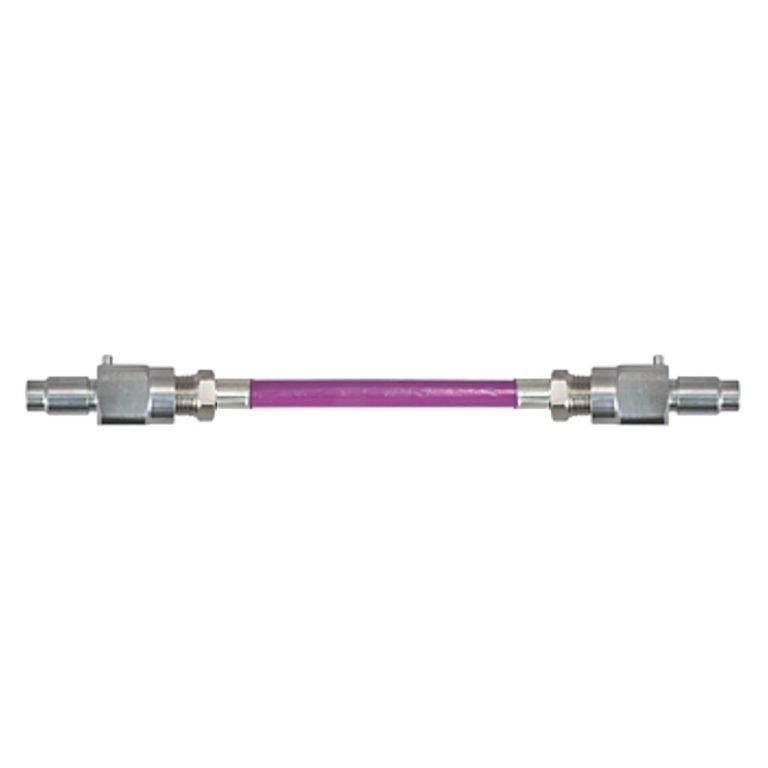
Medical gas systems are an essential part of modern healthcare infrastructure, supporting patient treatment, surgical procedures, respiratory care, and specialized laboratory activities. Hospitals, clinics, and healthcare centres depend on properly designed systems to deliver medical gases safely and consistently. Maintaining these systems requires suitable equipment, qualified installation professionals, and regular inspections. From flexible gas connections to specialized installation tools and cryogenic storage solutions, every component serves an important purpose. Understanding these products helps healthcare administrators and technicians make informed decisions when selecting medical gas supplies for their facilities.
Selecting the Right Medical Gas Hoses
Medical gas distribution systems require specialized connections designed to handle specific gases and operating conditions. High-quality medical hoses provide flexible connections between compatible medical equipment and designated gas outlets. Their construction and performance specifications must match the intended application.
When purchasing hoses, healthcare facilities should evaluate material compatibility, pressure ratings, connector types, and manufacturer documentation. Correct product identification is particularly important because different medical gases require dedicated connections. Regular inspections can help identify deterioration, damage, or potential leakage before these issues affect system performance. Selecting suitable hoses contributes to dependable connections and supports the operational requirements of healthcare environments.
Understanding the Purpose of WAGD HOSES
Waste anesthetic gas disposal systems play an important role in operating rooms where anesthetic gases are used during surgical procedures. These systems help remove excess gases from clinical environments and support appropriate workplace safety practices. Specialized WAGD HOSES provide connections within the waste gas disposal system.
Their compatibility, construction, and connection specifications should be considered carefully during product selection. Healthcare facilities should follow manufacturer recommendations and applicable installation standards when choosing these components. Qualified professionals should also perform inspections and maintenance to identify damaged connections and potential performance issues. Properly maintained WAGD equipment supports effective waste anesthetic gas management.
Why MEDICAL AIR HOSES Are Important
Medical air is commonly used in hospitals for respiratory support and various clinical applications. Reliable MEDICAL AIR HOSES help connect compatible medical devices to designated medical air supply points.
Choosing the correct hose requires attention to pressure specifications, material quality, connection compatibility, and intended operating conditions. Healthcare professionals should always verify that products meet the relevant requirements for their applications. Proper identification and routine inspection are equally important for maintaining system reliability. Replacing damaged or unsuitable components according to manufacturer guidelines helps prevent avoidable connection problems and supports the dependable operation of medical air equipment.
Understanding ASSE 6010 Professional Requirements
The asse 6010 qualification is associated with professional competency in medical gas installation. It is relevant to individuals working with specialized medical gas systems and their installation requirements.
Medical gas projects involve technical procedures that require appropriate training and practical knowledge. Professionals must understand relevant standards, installation methods, testing requirements, and safety practices. Healthcare facilities should verify qualifications before assigning installation or modification projects. Selecting appropriately qualified personnel helps support consistent workmanship and reduces the possibility of installation-related problems. Understanding professional certification requirements is an important step in maintaining reliable medical gas infrastructure.
The Value of Medical Gas Certifications
Quality and compliance are essential when purchasing equipment for hospitals and other healthcare environments. medical gas certifications help buyers evaluate relevant product approvals, testing information, and professional credentials.
Before selecting medical gas supplies, purchasing teams should examine technical specifications, manufacturer documentation, and applicable industry standards. It is also important to distinguish between equipment certifications and installer qualifications. Both provide different types of assurance and should be evaluated independently. Maintaining accurate records of purchased equipment, installation activities, inspections, and maintenance helps healthcare organizations manage their systems more effectively.
Finding a Qualified Medical Gas Installer
Choosing an experienced medical gas installer is essential when developing, upgrading, or maintaining medical gas distribution systems. Installation requires specialized knowledge of pipelines, connections, pressure testing, brazing procedures, and applicable safety requirements.
Qualified professionals understand how to follow approved procedures and manufacturer instructions throughout the installation process. Their responsibilities may include evaluating project specifications, selecting compatible components, and conducting required testing. Healthcare administrators should consider relevant credentials, training, and practical experience before hiring an installer. Professional expertise helps support reliable system operation and reduces the risks associated with incorrect installation practices.
Essential Equipment in a Medical Gas Installers Kit
Having the correct medical gas installers kit helps technicians organize their installation and maintenance work. Depending on the intended application, these kits may contain specialized tools, measuring equipment, fittings, testing accessories, and other installation components.
Before purchasing a kit, professionals should check the included equipment and confirm its suitability for their specific requirements. Manufacturer instructions should always be followed when using specialized tools. Proper equipment maintenance also contributes to consistent performance. Although installation kits improve work preparation, they do not replace the training, qualifications, and technical knowledge required for medical gas projects.
Choosing an Appropriate ASSE 6010 Install Kit
A suitable ASSE 6010 Install Kit can support professionals involved in medical gas installation and relevant training activities. Selecting the right kit requires checking its specifications, intended purpose, and compatibility with the required installation procedures.
Professionals should compare available options and review product documentation before making purchasing decisions. A properly selected kit helps technicians organize their work and access appropriate equipment for specific tasks. Healthcare organizations should also ensure that personnel understand applicable installation standards. Combining suitable tools with professional expertise contributes to more efficient project preparation and consistent installation practices.
Safe Handling of Liquid Nitrogen Storage Containers
Specialized laboratories and healthcare facilities often require cryogenic equipment for research and sample preservation. liquid nitrogen storage containers are designed to maintain extremely low temperatures for suitable laboratory applications.
When selecting containers, buyers should consider storage capacity, insulation performance, construction materials, and manufacturer specifications. Safe handling procedures are particularly important because liquid nitrogen can cause severe cold burns and displace oxygen in poorly ventilated areas. Facilities should provide appropriate staff training, protective equipment, ventilation, and regular inspections. Following established safety procedures helps protect employees and supports effective cryogenic storage operations.
Supporting Healthcare Facilities With Reliable Medical Gas Supplies
Reliable medical gas infrastructure depends on quality products, professional installation, correct equipment selection, and ongoing maintenance. Healthcare organizations should prioritize compatible components, verified documentation, and appropriately qualified technicians when planning their medical gas projects.
From specialized hoses and installation equipment to cryogenic storage solutions, every purchasing decision should consider technical specifications and intended applications. medicalgassupplier provides access to specialized medical gas products that help healthcare professionals explore suitable equipment for their operational requirements. Investing in appropriate supplies and following established industry practices can support dependable medical gas systems and contribute to safer, more efficient healthcare environments.
Congrats! You’ve Finished This Blog.