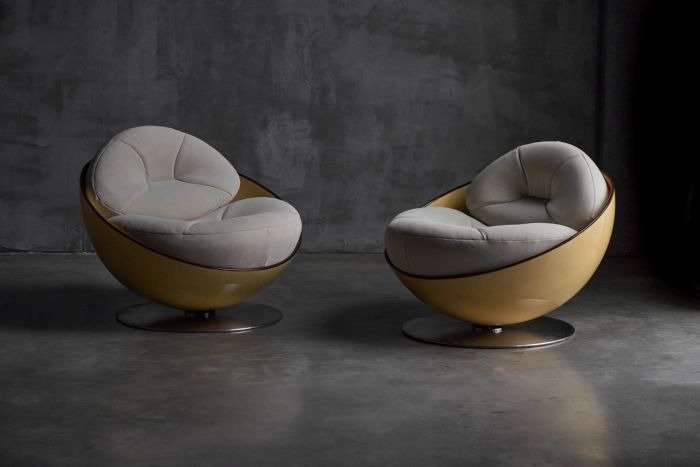
Furniture can tell stories without words. The curve of a chair, the grain of a wooden cabinet, the geometry of a table, or the surface of a decorative object can reveal something about the era, technology, craftsmanship, and aesthetic ideas that shaped its creation. This is part of what makes 20th-century furniture so engaging for collectors and design enthusiasts.
The period was marked by constant experimentation. Designers responded to industrial development, changing lifestyles, new materials, and evolving artistic movements. Today, these objects continue to find their place in contemporary homes, where historical design can coexist naturally with modern architecture and interiors.
In Antwerp, Belgium, Goldwood by Boris is connected with this world of vintage furniture, collectible design, and decorative objects, offering an opportunity to explore pieces through the lens of design history and craftsmanship.
Why the 20th Century Remains Important
The 20th century transformed the way furniture was designed and produced. Traditional woodworking techniques continued to influence makers, but industrial manufacturing created entirely new possibilities.
Designers experimented with tubular steel, moulded plywood, plastics, glass, aluminium, and other materials. Some focused on reducing furniture to essential forms, while others embraced decorative details and expressive shapes.
This diversity means that the term “20th-century furniture” encompasses a remarkably broad range of ideas. A restrained modernist desk and an exuberant postmodern chair may belong to the same century while representing completely different approaches to design.
For collectors, that variety creates an almost endless opportunity for discovery.
Looking Closely at Construction
When assessing vintage furniture, appearance is only the beginning. Construction can provide valuable information about how a piece was produced and the level of craftsmanship involved.
Wooden furniture can be examined through its joinery, veneers, grain direction, finishes, and structural details. Metal furniture may reveal its production techniques through welding, bending, casting, or hardware. Upholstered pieces can offer clues through their frames, stitching, materials, and later alterations.
These details are particularly interesting because they connect the physical object with the methods used to create it.
Learning to notice construction details can also help collectors become more independent researchers. Instead of relying entirely on labels or descriptions, they can begin forming their own observations about a piece.
Design History in Everyday Objects
One of the most fascinating aspects of collectible furniture is that it was originally designed for everyday life. Chairs were made for sitting, tables for working or dining, and cabinets for storage.
Their historical significance developed over time.
A design that once represented a contemporary response to new materials or lifestyles may now serve as an example of a particular period’s thinking. Yet its original purpose remains important. Good design can continue to function even when its cultural context has changed.
This combination of utility and history makes furniture different from many purely decorative forms of collecting.
Condition, Originality and Care
Vintage objects naturally carry traces of age. Some surfaces may show gentle wear, while others may have experienced repairs or more extensive restoration.
For collectors, understanding these changes is essential. Condition should be considered alongside originality, structural stability, materials, and intended use.
Restoration can sometimes extend the life of a piece, but it is important to understand what has been changed. Original components, later replacements, refinishing, and upholstery work can all affect the way an object should be documented and appreciated.
Care also continues after acquisition. Appropriate cleaning, environmental conditions, handling, and maintenance can help preserve furniture and decorative objects for future generations.
Bringing Historical Pieces into Modern Interiors
Collectible design can have a strong presence without dominating a room. Often, one carefully selected piece is enough to change the character of an interior.
A vintage cabinet can introduce warmth into a contemporary living space. A sculptural chair can create a visual focal point. A small ceramic, mirror, or lighting object can add an unexpected layer of history.
The most interesting interiors often allow different periods to interact. Modern architectural lines can provide a backdrop for vintage furniture, while older materials can soften a highly contemporary setting.
This approach makes it possible to appreciate historical design without reproducing an entire period.
The Role of Specialist Knowledge
Collecting becomes more rewarding when supported by reliable information. Specialist dealers can help buyers understand the background, condition, materials, and design context of individual pieces.
For collectors exploring Antwerp’s design landscape, Goldwood by Boris provides a specialist connection to furniture and decorative objects from the 20th century. The city’s wider cultural relationship with art, architecture, fashion, and design creates an appropriate setting for examining objects from different periods and traditions.
Those researching the business may also come across the name boris devis in connection with Goldwood by Boris. For anyone entering the field, the broader value of specialist expertise lies in encouraging careful observation and informed collecting rather than simply following trends.
Building a Personal Design Vocabulary
Over time, collectors naturally develop preferences. One person may become fascinated by Scandinavian simplicity, another by Italian experimentation, while someone else may focus on French decorative furniture or postwar industrial design.
This process is part of building a personal design vocabulary.
The more examples a collector studies, the easier it becomes to recognise recurring characteristics in form, material, and construction. Visits to exhibitions, design fairs, galleries, auctions, and specialist collections can all contribute to this education.
There is no need to begin with an extensive collection. A single well-understood object can provide a starting point for deeper research.
Collecting with a Sense of Continuity
The strongest appeal of vintage furniture is perhaps its ability to connect different generations. An object created decades ago can remain useful in a contemporary home while retaining evidence of the period in which it was designed.
For collectors, this creates an opportunity to preserve more than furniture. It preserves ideas about how people lived, worked, entertained, and imagined the future.
With careful research and thoughtful selection, 20th-century furniture can become an enduring part of modern interiors. Its value lies not only in appearance, but in the combination of design, craftsmanship, history, and continued usefulness.
That combination ensures that vintage furniture and collectible objects remain relevant to anyone interested in creating spaces with depth, character, and a meaningful connection to design history.
Congrats! You’ve Finished This Blog.