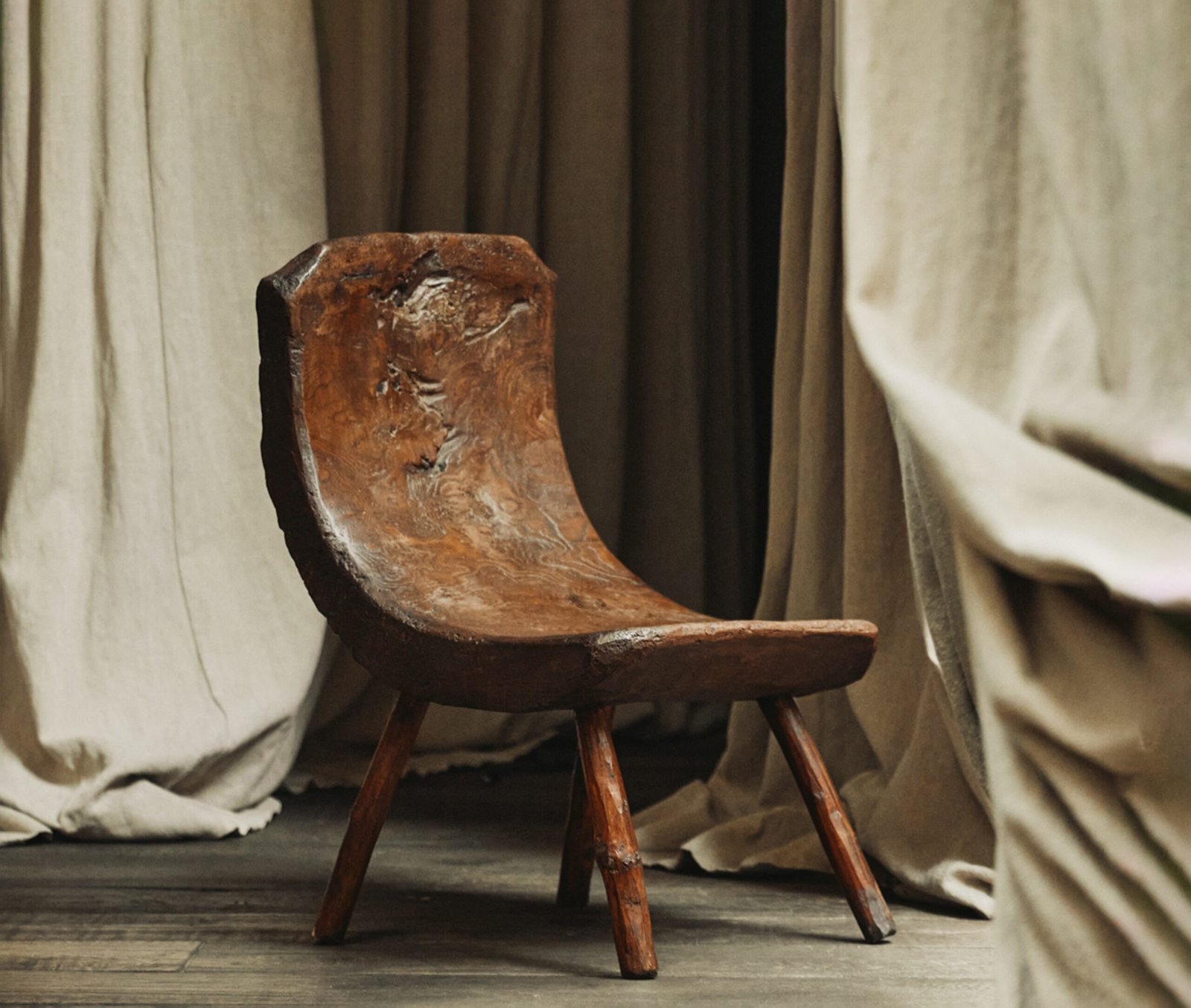
Great furniture carries a sense of history while remaining relevant to contemporary life. Across generations, designers have explored the relationship between craftsmanship, architecture, materials, and human comfort. From Folk art and Vernacular traditions to sophisticated modern collections, furniture reflects the values and lifestyles of the societies that create it. Today, these diverse influences continue to inspire interiors that prioritize authenticity, functionality, and enduring character.
The principles of Alpine Design demonstrate how regional craftsmanship can influence modern interiors. Natural timber, strong construction, practical proportions, and tactile surfaces create a connection with the surrounding landscape. A Rural aesthetic follows a similar philosophy, emphasizing warmth and simplicity. Rustic Furniture can bring these qualities into contemporary spaces through visible wood grain, handcrafted details, substantial forms, and naturally aged finishes.
Minimalism can also have remarkable emotional depth. The architectural thinking of Dom Hans van der Laan emphasized proportion, material relationships, and spatial harmony. His ideas demonstrate that restraint does not have to produce an empty environment. Instead, carefully considered forms can create a strong sense of calm. The Japanese philosophy of Wabi Sabi extends this idea by appreciating imperfection, patina, asymmetry, and the natural passage of time.
European movements offer equally distinctive approaches to interior expression. The Amsterdamse School introduced sculptural architectural forms and elaborate craftsmanship, showing how furniture could interact with buildings as part of a unified visual language. Art Deco, meanwhile, embraced geometry, elegance, luxury, and decorative sophistication. Contemporary designers continue to reinterpret both traditions, using their principles without necessarily reproducing their historical appearance.
The influence of Mid-Century Design remains especially strong in modern residential interiors. Its clean lines, practical construction, organic forms, and focus on comfortable living have made it one of the most enduring design movements. Brazilian Design adds another layer through its appreciation of local materials, expressive timber construction, and relationships between indoor and outdoor environments.
Several influential designers demonstrate how material and function can coexist beautifully. Pierre Chapo explored the strength and character of solid wood, transforming substantial timber into sculptural furniture. Charlotte Perriand developed designs centered around modern living, accessibility, comfort, and intelligent use of space. Their work illustrates the principle of Functional Art, where practical objects can also become significant visual elements within an interior.
Engineering and craftsmanship meet in the work of Jean Prouvé, whose furniture demonstrates how construction methods can become part of an object’s identity. The designs of Afra & Tobia Scarpa similarly explored materials, technology, ergonomics, and refined detailing. Mario Bellini introduced a more expressive approach, creating furniture with strong silhouettes and memorable forms that continue to influence contemporary design culture.
Iconic pieces often succeed because they combine personality with adaptability. The Camaleonda demonstrates the potential of modular furniture, allowing individual elements to create different configurations according to changing spaces and lifestyles. The philosophy associated with Nakashima takes a more organic direction, allowing natural wood characteristics, irregular edges, and distinctive grain patterns to become essential features.
The work of Pierre Jeanneret also demonstrates how functional furniture can achieve an unmistakable identity. His robust timber pieces balance structural clarity with visual warmth. Such examples explain why collectors increasingly look beyond temporary trends and seek furniture with provenance, craftsmanship, and recognizable design principles.
In contemporary design culture, boris devis represents a perspective that connects traditional materiality with modern interiors. As a Boris Devis designer, the emphasis can be placed on furniture that has presence without overwhelming the architecture around it. This approach supports the idea that an interior should be built through relationships between objects rather than through excessive decoration.
The Goldwood by Boris collection reflects this interest in distinctive furniture and thoughtful interiors. Goldwood by Boris furniture can contribute sculptural forms, natural materiality, and visual warmth to carefully considered spaces. For those exploring Goldwood by Boris Antwerp, the brand identity sits naturally within a European context where architecture, craftsmanship, art, and collectible furniture have long influenced one another.
In Goldwood by Boris interiors, furniture can function as both a practical element and a central component of the room’s atmosphere. A strong wooden table may establish a gathering point, while an expressive chair or cabinet can introduce contrast. When these pieces are supported by appropriate lighting, neutral architecture, and carefully selected textures, the interior gains depth without appearing crowded.
The philosophy represented by goldwoodbyboris encourages an appreciation of materials and individuality. Instead of following one historical style exclusively, contemporary interiors can combine several influences. Folk art may provide cultural richness, Wabi Sabi may introduce organic imperfection, and Mid-Century Design may provide functional clarity. Art Deco can contribute elegance, while Rustic Furniture adds warmth and tactile character.
Ultimately, timeless furniture succeeds because it responds to both practical needs and emotional experiences. A well-designed piece can improve how people sit, work, gather, relax, and interact with their surroundings. It can also develop character through use, making the object increasingly personal over time.
The enduring appeal of goldwoodbyboris lies in this balance between heritage and contemporary living. By appreciating craftsmanship, material authenticity, proportion, and functionality, designers and collectors can create interiors that feel distinctive without being dependent on short-lived trends. When furniture becomes part of the architecture and everyday experience, it achieves something more valuable than fashion: it becomes a lasting expression of design.
Congrats! You’ve Finished This Blog.