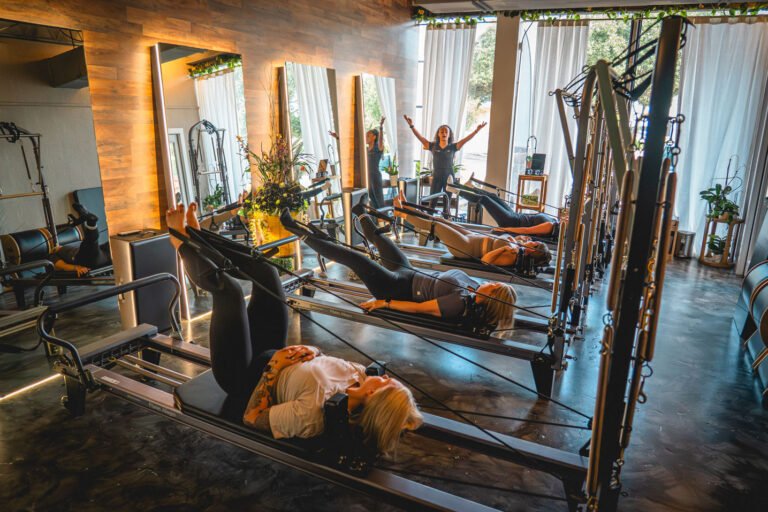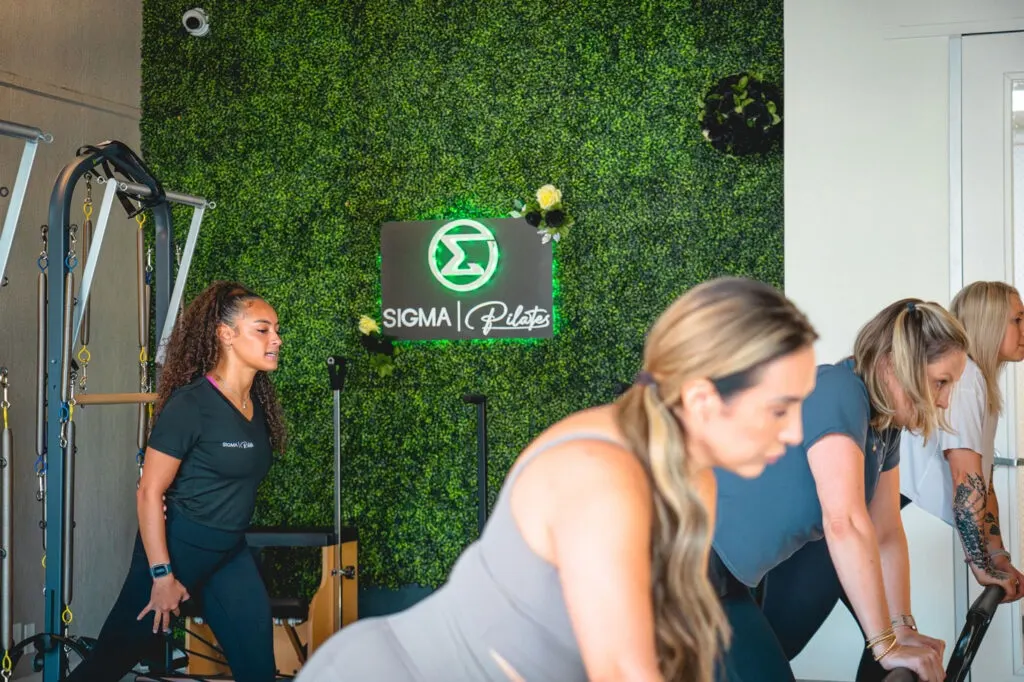
Pilates offers an effective way to improve strength, flexibility, balance, and body awareness. Whether you are a beginner or an experienced fitness enthusiast, choosing the right clothing and bringing essential items can make your workout more comfortable and productive. Pilates apparatus classes use specialised equipment, such as reformers, chairs, barrels, and towers, to support controlled movements and targeted exercises. Therefore, preparing properly before your session can help you focus on technique and enjoy every movement.
If you plan to attend your first class, you may wonder what to wear, which accessories to carry, and how to prepare for the experience. The right preparation helps you move freely, maintain comfort, and follow your instructor’s guidance throughout the session.
Why Does Proper Clothing Matter During Pilates Apparatus Classes?
Comfortable clothing plays an important role in every Pilates session. Unlike some traditional workouts, Pilates involves stretching, bending, rolling, and controlled movements that require a full range of motion. Tight or restrictive clothing can limit these movements and affect your performance.
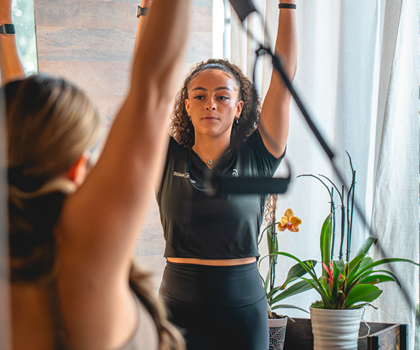
Choose fitted, stretchable clothing that allows your instructor to observe your posture and alignment. Properly fitted outfits also reduce the risk of loose fabric getting caught in equipment springs, straps, or moving parts.
Look for breathable materials that manage sweat and keep you comfortable throughout your workout. Clothing made from cotton blends or moisture-wicking fabrics can work well.
What Type of Tops Should You Wear?
Choose a comfortable top that stays in place while you exercise. A fitted T-shirt, sports top, or lightweight athletic shirt can provide the flexibility you need during apparatus exercises.
Avoid oversized shirts because they may move around when you lie down, bend forward, or use the reformer. Loose fabric can also interfere with equipment movement.
Women may prefer a supportive sports bra that offers comfort without restricting breathing or shoulder movement. Men can choose fitted athletic T-shirts or breathable workout tops.
Your main goal should be to select clothing that supports movement and allows your instructor to check your body alignment.
Which Bottoms Are Best for Pilates Workouts?
Leggings, yoga pants, and fitted athletic trousers are excellent choices for Pilates. These options provide flexibility while staying close to the body during different exercises.
Choose bottoms with a comfortable waistband that does not dig into your stomach when you bend or lie on your back. Stretchable materials allow your legs and hips to move naturally during stretches and strength exercises.
Avoid jeans, stiff trousers, and loose shorts because they can restrict movement or create discomfort.
If you prefer shorts, choose fitted athletic styles that stay in place during exercises. This helps you maintain confidence and concentrate on your movements.
Should You Wear Socks During Apparatus Pilates?
Many Pilates studios require participants to wear grip socks during apparatus sessions. These socks feature small rubber patterns on the soles that help improve traction and reduce slipping.
Grip socks provide several advantages:
- Better stability: They help your feet maintain contact with equipment surfaces.
- Improved hygiene: They create a protective layer between your feet and shared equipment.
- Greater confidence: They support controlled movements during exercises.
- Enhanced comfort: They keep your feet comfortable during different positions.
Check your studio’s clothing requirements before purchasing a pair. If grip socks are mandatory, choose a comfortable size that fits securely without restricting your toes.
What Accessories Should You Avoid During Class?
Pilates requires concentration, balance, and precise body movements. Certain accessories can interfere with your workout or create unnecessary discomfort.
Avoid wearing large jewellery, dangling earrings, bracelets, and necklaces. These items may catch on straps or equipment components during exercises.
Remove watches and bulky accessories before starting your session. Tie long hair securely with a soft hair tie to keep it away from your face.
You should also avoid clothing with large zippers, metal decorations, or hard accessories that may damage equipment or affect your comfort.
Keeping your appearance simple allows you to focus on proper technique and safe movement.
What Essential Items Should You Bring to Your Pilates Session?
Preparing a small workout bag can make attending classes easier. You do not need many accessories because most studios provide the main equipment.
However, carrying a few essential items can improve your experience.
1. Water Bottle
Bring a reusable water bottle to stay hydrated before and after your session. Pilates may involve controlled movements, but your body still needs proper hydration.
2. Grip Socks
Pack a pair of studio-approved grip socks if your instructor requires them. Consider bringing an extra pair if you attend classes regularly.
3. Small Towel
A lightweight towel can help you manage sweat and maintain personal comfort during your workout.
4. Hair Accessories
Carry a hair tie or headband if you have long hair. These accessories help keep your hair away from your face.
5. Personal Belongings
Bring your phone, keys, and other essentials in a small bag. Keep them in the designated storage area rather than near the Pilates equipment.
Should Beginners Bring Their Own Pilates Equipment?
Most professional studios provide the equipment needed for each session. This includes reformers, resistance springs, straps, mats, and other specialised accessories.
Beginners generally do not need to purchase their own Pilates equipment before attending their first class. Instead, contact the studio to confirm which items it supplies and whether participants need to bring anything specific.
As you gain experience, you may decide to purchase personal accessories such as grip socks, workout clothing, or a Pilates mat for home practice.
Starting with the equipment provided by your studio helps you understand your preferences before making additional purchases.
How Can You Prepare Before Attending Your First Class?
Good preparation begins before you enter the studio. Arrive around 10 to 15 minutes early so you have enough time to check in, change clothes, and speak with your instructor.
Inform your instructor if you are new to Pilates apparatus training. They can explain the equipment, demonstrate basic movements, and help you understand the correct setup.
Avoid eating a heavy meal immediately before class. A light meal or snack taken sufficiently early can help you feel comfortable during exercise.
You should also avoid rushing into the studio. Give yourself enough time to settle in, understand the session structure, and prepare mentally.
How Can You Find Contemporary Pilates Near Me?
Finding the right studio can make a significant difference to your Pilates experience. When searching for contemporary pilates near me, consider factors such as instructor experience, equipment quality, class size, studio cleanliness, and the availability of beginner-friendly sessions.
Look for a studio that provides clear instructions and helps participants understand proper movement techniques. A supportive training environment allows beginners to build confidence while experienced participants continue developing their skills.
Sigma Pilates provides an environment where individuals can explore Pilates training and work towards their fitness goals. Before choosing a class, review the available sessions and discuss your experience level with the instructors.
Select a schedule that fits your routine so you can maintain consistency and develop your skills over time.
Why Is Consistency Important in Pilates Training?
Attending Pilates classes regularly helps you become more familiar with different movements and equipment. With consistent practice, you can gradually improve body awareness, coordination, flexibility, and muscular strength.
However, you should not rush your progress. Focus on controlled movements, proper breathing, and correct posture instead of trying to perform advanced exercises immediately.
Listen to your instructor and communicate whenever you experience discomfort or need an exercise modification. Give your body enough time to recover between sessions.
A consistent approach helps you develop a sustainable fitness routine while making each class more rewarding.
What Should You Remember Before Your Next Pilates Class?
Preparing for Pilates apparatus classes does not require an expensive wardrobe or a large collection of accessories. Comfortable fitted clothing, grip socks, a water bottle, and a small towel are usually enough to get started.
Avoid loose clothing and distracting jewellery, arrive early, and follow your instructor’s guidance throughout the session. Most importantly, choose a studio that supports your fitness level and encourages proper technique.
With the right preparation and a positive attitude, you can enjoy a more comfortable and focused Pilates experience. Sigma Pilates can be a starting point for building a consistent routine, improving movement confidence, and making Pilates an enjoyable part of your lifestyle.
Congrats! You’ve Finished This Blog.