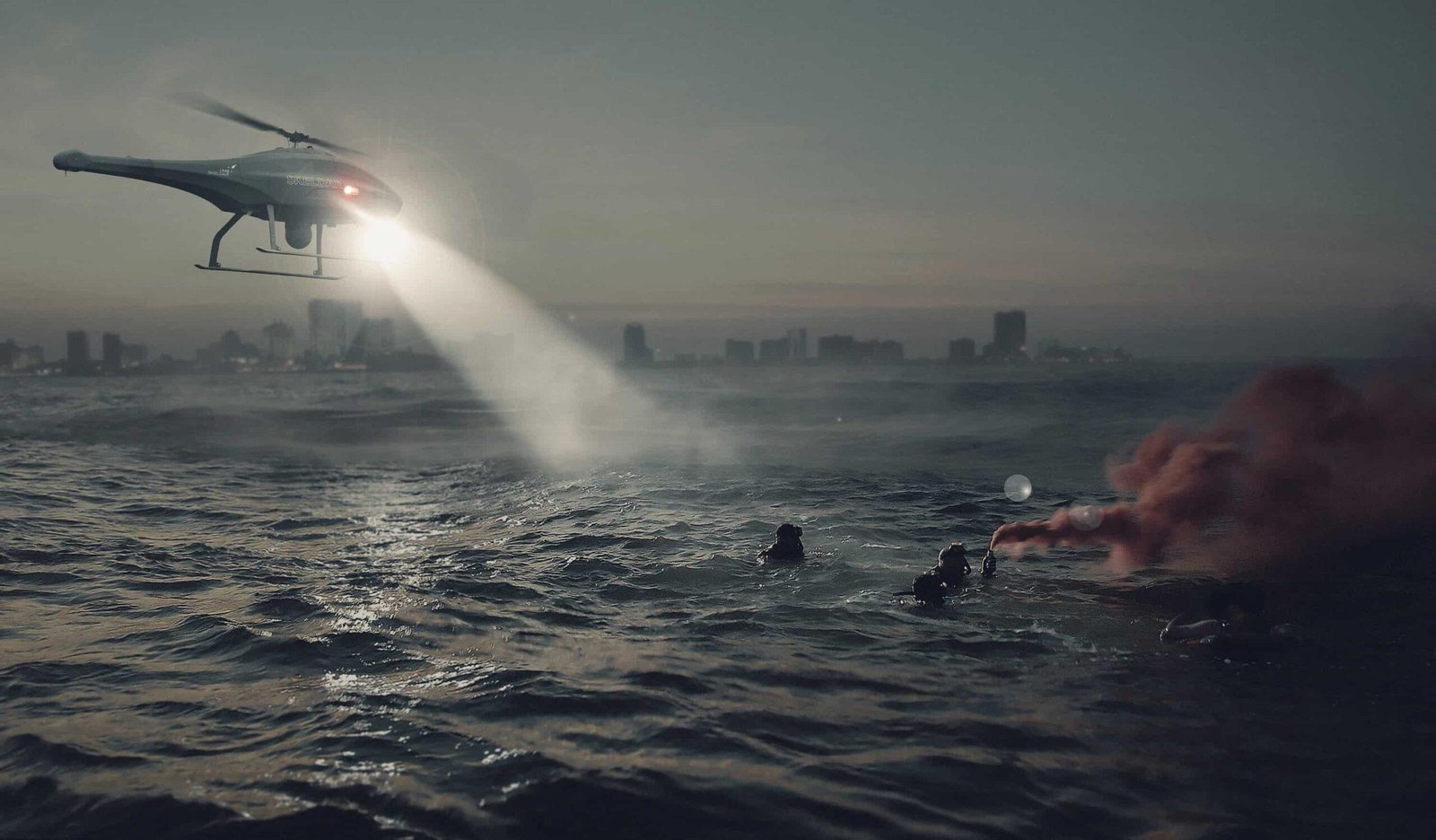
Maritime Search and Rescue operations present unique challenges that require advanced technology, rapid response, and accurate situational awareness. Large search areas, changing weather conditions, and limited visibility can make locating individuals at sea extremely difficult. As a result, many agencies are exploring coast guard SAR RDF technology to improve mission effectiveness and increase the chances of successful rescues. The SAR App combines RF Detection, Radio Direction Finding, and real-time signal analysis to provide a modern solution that supports Coast Guard and maritime rescue teams in demanding environments.
The Growing Importance of Coast Guard SAR RDF Technology
Traditional maritime rescue operations often depend on visual observation, radar systems, thermal imaging, and communication equipment. While these tools remain essential, they can be limited by weather conditions, rough seas, and the vast size of operational zones.
Coast guard SAR RDF technology adds an additional layer of intelligence by detecting wireless signals emitted from smartphones, smartwatches, Bluetooth devices, and other electronic equipment. By identifying these signals, rescue teams gain valuable information that may help narrow search areas and improve response times.
As Search and Rescue operations continue to evolve globally, RF Detection and Radio Direction Finding technology are becoming increasingly important components of modern emergency response strategies.
Advanced RF Detection for Maritime Missions
The SAR App introduces an advanced RF Detection System specifically designed to support modern Search and Rescue operations through real-time wireless signal analysis.
The platform can detect signals generated by:
- Smartphones
- Smartwatches
- Bluetooth devices
- Wearable technology
- Optional WiFi-enabled equipment
These wireless signals provide responders with actionable intelligence that can help identify areas where missing persons may be located.
In maritime environments where search areas can extend across vast stretches of water, even small pieces of information can significantly improve mission outcomes.
Moving Beyond Traditional Search Methods
Conventional rescue operations often rely heavily on visual spotting and thermal imaging technologies. While these systems are valuable, they may not always provide enough information during challenging conditions.
RF Detection technology offers an additional intelligence source by identifying wireless signal activity emitted from devices carried by individuals in distress.
This capability helps Coast Guard teams:
- Improve locate probability
- Reduce search times
- Prioritize high-probability search zones
- Increase operational efficiency
- Enhance resource allocation
By supplementing traditional methods with signal detection, responders gain a more comprehensive understanding of search conditions.
AI-Powered Heatmaps Improve Situational Awareness
One of the most powerful features of the SAR App is its AI-powered live heatmap functionality. Instead of requiring operators to analyze raw RF data manually, the platform converts signal detections into clear visual displays.
The system enables responders to:
- Identify signal concentration zones
- Track wireless activity in real time
- Prioritize search areas
- Improve tactical planning
- Enhance decision-making under pressure
This visual approach simplifies complex information and allows teams to respond more effectively during critical rescue operations.
Flexible Deployment Across Maritime Operations
Coast Guard teams often require equipment that can be rapidly deployed across a variety of mission environments. The modular architecture of the SAR App provides exceptional operational flexibility.
Rugged Android devices can function as mobile Radio Direction Finder units and can be mounted on:
- Drones and UAVs
- Rescue vessels
- Search vehicles
- Survival vests
- Portable field equipment
- K9 harnesses
Because the platform is hardware-flexible, organizations can integrate it into existing Search and Rescue workflows without requiring expensive proprietary systems.
Drone Integration Expands Search Coverage
Drone technology is becoming an increasingly valuable asset in maritime rescue operations. UAVs equipped with RF Detection capabilities can survey large areas while simultaneously gathering signal intelligence from below.
This capability helps teams:
- Expand aerial coverage
- Search difficult areas safely
- Reduce repetitive manual searches
- Collect real-time intelligence
- Improve operational efficiency
The combination of drone technology and coast guard SAR RDF technology creates a powerful force multiplier for modern rescue organizations.
Supporting Multiple Rescue Environments
Although particularly valuable for maritime missions, the SAR App is designed to support a wide range of Search and Rescue scenarios.
Coast Guard Operations
Wireless signal detection helps improve maritime search efficiency and rescue coordination.
Coastal Rescue Teams
The technology supports operations conducted along shorelines, harbors, and coastal regions.
Disaster Response Units
Signal detection can assist teams locating individuals following storms, floods, and other emergencies.
Urban and Wilderness Rescue Teams
The same platform can be deployed across different mission environments, improving operational consistency.
Volunteer Search Organizations
Easy deployment and mobile compatibility make the system accessible to organizations of all sizes.
The Future of Maritime Search and Rescue
As rescue technology continues to advance, RF Detection and Radio Direction Finding systems are becoming essential tools for modern emergency response.
Key benefits include:
- Faster search operations
- Improved locate probability
- Enhanced situational awareness
- Greater aerial coverage efficiency
- Reduced operator workload
- Flexible deployment options
These advantages make coast guard SAR RDF technology a valuable investment for organizations seeking to improve mission outcomes and operational readiness.
Conclusion
Organizations researching coast guard SAR RDF technology require solutions that provide accurate intelligence, rapid deployment, and operational flexibility. The SAR App delivers these capabilities through advanced RF Detection, Radio Direction Finding technology, AI-powered heatmaps, drone integration, and real-time wireless signal analysis. By reducing search time, improving locate probability, increasing aerial coverage efficiency, and lowering operator workload, the SAR App offers a modern and scalable solution for today’s maritime Search and Rescue professionals.
Congrats! You’ve Finished This Blog.