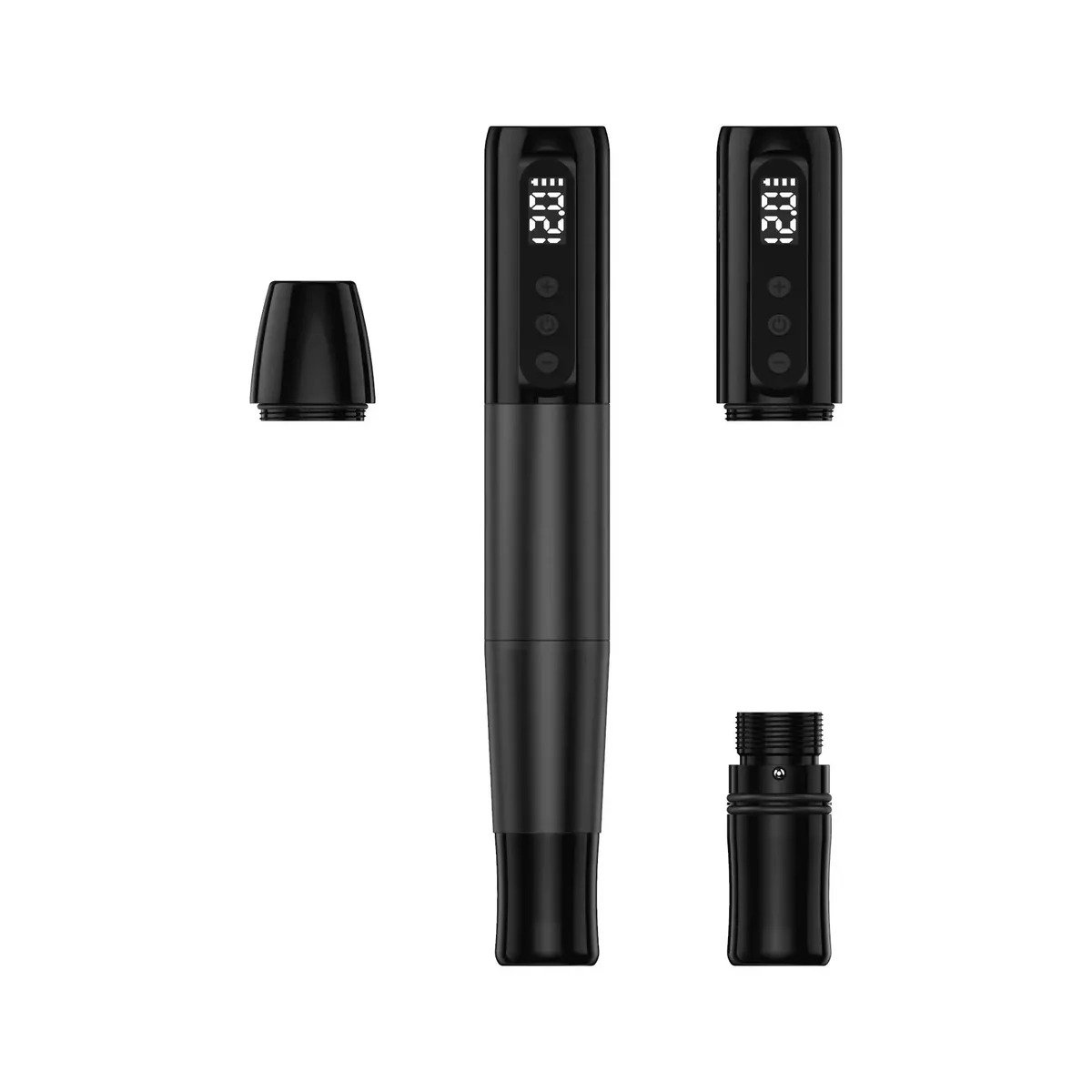
The tattoo industry continues to evolve through changes in equipment design, machine technology, and accessory systems. For professional artists, understanding these developments is essential when selecting equipment for a studio. A suitable setup should offer reliable construction, appropriate compatibility, clear manufacturer documentation, and support for responsible hygiene practices.
From rotary machines to pen-style designs and wireless power accessories, today’s equipment categories provide different options for professional consideration. However, selecting the right products requires more than comparing appearance and price. Artists should understand how each component is designed and whether it meets their individual requirements.
1. Understanding Professional Tattoo Machines
A tattoo machine is one of the central components of a professional studio. professional tattoo machines are available in various designs, with differences in motor technology, weight, grip construction, and maintenance requirements.
When comparing equipment, artists should consider ergonomic design, material quality, manufacturer reputation, technical specifications, and warranty coverage. A well-documented product makes it easier to understand its operating requirements and compatibility with other accessories.
The category Tattoo Machines Professional includes different equipment styles intended for professional environments. Since individual models can vary considerably, buyers should evaluate each product according to its specifications rather than relying on general category descriptions.
2. Rotary Machines and Their Design
A rotary tattoo machine uses a motor-driven mechanism to produce needle movement. This design differs from the electromagnetic mechanism used in conventional coil machines.
The term rotary machine covers several equipment designs that rely on rotary motor technology. Depending on the model, differences may include motor construction, housing materials, weight distribution, and technical characteristics.
A tattoo rotary machine should be assessed according to its intended application and manufacturer-approved accessories. Professional artists should read operating documentation carefully to understand the equipment’s capabilities and limitations.
Understanding these distinctions helps buyers make meaningful comparisons when researching different machine styles.
3. Exploring Pen-Style Equipment
Pen-style machines are recognized by their elongated shape and handheld design. A tattoo pen typically features a grip intended to provide a familiar and compact form.
A tattoo pen machine may include an integrated motor and a cartridge-compatible connection. However, designs differ between manufacturers, so technical specifications and accessory requirements should always be checked.
The expression pen tattoo machine is also widely used in product descriptions. Although the terms can describe similar designs, they do not guarantee that every machine uses the same components or connection system.
A wireless tattoo pen uses a battery-powered arrangement that reduces dependence on a conventional external cable during operation. When reviewing these products, artists should examine battery capacity, charging time, weight, and compatibility with approved accessories.
4. Finding the Best Tattoo Pen Machine
Selecting the best tattoo pen machine involves considering both personal working preferences and professional equipment requirements.
Several factors deserve attention:
- Ergonomic design: Consider grip comfort and weight distribution.
- Construction: Review the materials and overall build quality.
- Compatibility: Confirm support for the intended cartridges and accessories.
- Technical information: Read operating specifications and maintenance instructions.
- Manufacturer support: Check warranty conditions and service availability.
There is no single machine that suits every professional. Comparing documented features and understanding individual requirements can make the selection process more effective.
5. Understanding Tattoo Needles
Needle selection is an important part of professional equipment planning. tattoo needles are available in different groupings and arrangements, each associated with particular artistic applications.
For example, shading needles are commonly associated with tonal work and transitions. Their characteristics depend on their grouping and design.
When evaluating the best tattoo needles, professionals should prioritize consistent manufacturing, sterile packaging, traceable product information, and compatibility with their equipment.
Needles should be selected according to appropriate professional training and manufacturer guidance. Correct handling and infection-control procedures are essential throughout professional practice.
6. Tattoo Needle Cartridges and Quality
Cartridge systems combine a needle assembly with a housing designed for compatible machines. tattoo needle cartridges are available in different configurations and specifications.
The best tattoo needle cartridges should come with clear manufacturing information, appropriate sterile packaging, and reliable product documentation. Artists should also verify compatibility because cartridge connections are not necessarily universal.
Single-use cartridges must never be reused. They should be handled and disposed of according to professional hygiene and infection-prevention requirements.
7. Wireless Power Supply Systems
Power accessories are another important part of modern tattoo equipment. A wireless tattoo power supply may be integrated into a machine or provided as a compatible battery attachment.
A wireless power supply can reduce cable management requirements, but its battery capacity, charging time, output specifications, and weight should be considered.
Before selecting a system, buyers should confirm compatibility with their machine and follow all manufacturer instructions. Regular inspection of batteries and charging components also supports responsible equipment management.
8. How to Evaluate Tattoo Machines for Sale
When researching Tattoo Machines For Sale, professional buyers should look beyond advertised prices. Product authenticity, technical specifications, construction quality, warranty coverage, and customer support are important considerations.
A specialist supplier such as inkclaw may be included when researching equipment categories and product information. However, buyers should independently verify manufacturer details, compatibility, and safety documentation before making purchasing decisions.
Comparing several models can help identify differences in design, maintenance requirements, and available accessories. This makes it easier to select equipment based on practical needs rather than promotional claims.
9. Maintaining Professional Hygiene Standards
Reliable equipment must always be supported by appropriate hygiene procedures. Tattoo artists should maintain clean workspaces, use sterile single-use supplies where required, and follow established infection-control standards.
Reusable equipment must be cleaned and processed according to manufacturer instructions and applicable professional requirements. Artists should also receive proper training in contamination prevention, safe handling, and disposal procedures.
The second mention of inkclaw reinforces the importance of considering supplier information alongside product documentation and responsible studio practices.
Conclusion
Modern tattoo equipment includes several important categories, from rotary machines and pen-style designs to needle cartridges and wireless power systems. Selecting suitable products requires careful attention to quality, compatibility, technical documentation, and professional requirements.
By researching equipment thoroughly, prioritizing hygiene, and comparing reliable product information, tattoo artists can make informed decisions about their studio setup. Responsible equipment selection and maintenance remain essential foundations of professional tattoo practice.
Congrats! You’ve Finished This Blog.