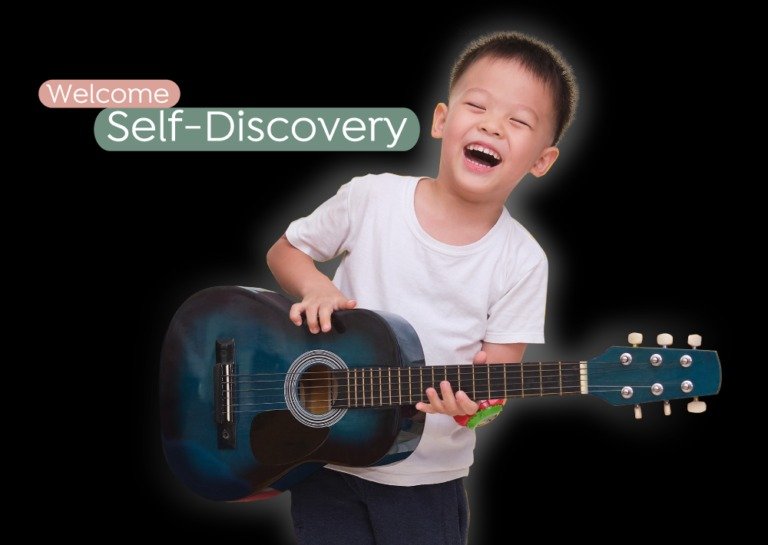
Music is more than a hobby; it is a powerful form of expression that encourages creativity, discipline, confidence, and personal development. Whether a child is learning to play their first piano melody or an adult is discovering the joy of singing, music education offers valuable experiences at every stage of life. With structured lessons, supportive instruction, and consistent practice, anyone can begin developing their musical abilities.
Singapore provides a diverse environment for music education, offering opportunities for students to explore instruments, vocal techniques, and different musical styles. Choosing the right programme is an important first step towards building a meaningful and enjoyable musical journey.
1. Making Music Enjoyable Through Piano Lessons for Children
A child’s introduction to music should be engaging, encouraging, and suitable for their developmental stage. A Piano Lesson for Kids can introduce fundamental musical concepts through simple melodies, rhythm activities, keyboard exercises, and interactive learning.
Piano education can also encourage concentration, coordination, listening skills, and patience. As children become familiar with notes and musical patterns, they gradually develop the confidence to play independently.
Parents searching for the Best piano lessons for kids should look beyond the lesson price. Teaching methods, instructor experience, class atmosphere, and individual attention are important considerations. A positive learning environment can help children remain motivated and enjoy practising regularly.
2. Choosing the Best Age to Begin Piano Education
Parents often wonder about the Best age to start piano lessons. There is no universal age because every child develops at a different pace. Some children demonstrate an interest in music early, while others become more comfortable with structured lessons as they grow.
Readiness is generally more important than age alone. A child’s ability to follow simple instructions, maintain attention, recognise patterns, and participate enthusiastically can help determine whether they are ready.
Younger learners may benefit from playful musical activities, while older children can explore more structured exercises and music reading. The goal should always be to develop a lasting appreciation for music.
3. Understanding How Long Piano Learning Takes
Another common question is How long to learn piano. The answer depends on the student’s goals, practice frequency, previous experience, and learning approach.
Beginners may develop familiarity with the keyboard, basic notes, and simple rhythms within the first few months. More advanced skills, including sight-reading, expressive playing, and coordination between both hands, require continued learning.
Progress is not identical for every student. Short, consistent practice sessions can often be more effective than irregular, lengthy sessions. Setting realistic goals and celebrating small achievements helps learners maintain motivation.
4. Building Strong Foundations with Beginner Piano Classes
Piano Lessons for Beginners provide an organised introduction to music. Students generally start by understanding keyboard layout, finger positioning, rhythm, note recognition, and basic music theory.
A structured beginner programme should gradually introduce new concepts without overwhelming learners. Practical exercises and familiar melodies can make lessons more enjoyable while reinforcing important skills.
Beginners should also understand that mistakes are a natural part of learning. Patience, repetition, and constructive feedback help students develop accuracy and confidence over time.
5. Why Adults Should Consider Learning Piano
Music education is not limited to children. Piano Lessons for Adults offer an opportunity to explore creativity, develop a new skill, and enjoy music outside everyday responsibilities.
Adult students may have different goals. Some want to play favourite songs, others are interested in classical compositions, and many simply want to experience the satisfaction of learning an instrument.
Lessons can be adapted to individual interests and experience levels. With a manageable practice schedule and realistic expectations, adults can make meaningful progress regardless of when they begin.
6. Finding Suitable Piano Lessons in Singapore
When exploring Piano Lessons in Singapore, students and parents should consider several factors, including instructor qualifications, class structure, lesson frequency, location, and teaching philosophy.
A suitable programme should provide clear learning objectives and constructive feedback. It should also allow students to progress at a comfortable pace rather than forcing everyone to follow the same timetable.
Where available, introductory sessions can help families understand the teaching approach and decide whether the learning environment meets their expectations.
7. Discovering the Benefits of Singing Education
Singing helps individuals explore musical expression while developing pitch awareness, rhythm, breathing control, pronunciation, and listening skills. Singing lessons Singapore can introduce these foundations through guided vocal exercises and practical musical activities.
Students interested in group learning may also explore Singing Classes Singapore. These classes can create opportunities to practise musical coordination, develop confidence, and learn from other participants.
A balanced vocal programme should focus on healthy technique, appropriate exercises, and individual development. Students should avoid forcing their voices or attempting techniques beyond their current ability.
8. Vocal Training for Adults and Aspiring Singers
For adults who want to explore their voices, Singing Lessons for Adults can provide a supportive introduction to vocal development. Beginners can learn fundamental techniques, while experienced singers may work on improving consistency and musical expression.
People looking for Vocal Lessons Singapore should consider programmes that address breath management, pitch accuracy, vocal control, diction, and performance preparation.
Location may also influence the decision. Learners searching for Singing lessons East Singapore may prioritise convenient access and a schedule that fits their everyday commitments.
9. Choosing a Supportive Music Education Studio
The quality of a learning experience depends on more than the instrument or lesson material. Students benefit from patient instruction, clear communication, suitable learning objectives, and an encouraging atmosphere.
At prestostudios, music education can be approached as an opportunity to nurture individual interests and develop skills through consistent learning. Whether students are exploring piano or singing, having achievable goals and a positive attitude can make the experience more rewarding.
Conclusion
Music education offers benefits that extend beyond learning notes or mastering a song. It encourages creativity, patience, confidence, and personal expression. From children’s first piano experiences to adults exploring vocal training, every student can begin a musical journey at their own pace.
By selecting suitable lessons, practising consistently, and learning in a supportive environment, students can build valuable musical foundations and enjoy the lifelong rewards of music.
Congrats! You’ve Finished This Blog.