The healthcare industry is undergoing continuous transformation through technological innovation and advanced medical equipment. Modern healthcare facilities require dependable medical devices to support patient monitoring, respiratory management, and specialised clinical procedures. From intensive care units to maternity departments and neonatal care centres, medical equipment plays an important role in maintaining healthcare standards and supporting medical professionals.
With increasing healthcare requirements, hospitals are focusing on equipment that combines advanced functionality, reliable performance, safety, and ease of operation. Selecting suitable medical technology helps healthcare institutions strengthen their infrastructure and provide appropriate care across different medical departments.
Importance of Choosing a Reliable Medical Device Company in Bangalore
Selecting a trusted Medical Device Company in Bangalore is an important decision for hospitals, healthcare centres, and medical professionals. A professional medical device company should understand the requirements of modern healthcare environments and provide solutions that support different clinical applications.
Bangalore is recognised for its growing medical technology ecosystem, engineering expertise, and healthcare innovation. The development of advanced medical devices has created opportunities to introduce improved technologies that address the changing requirements of healthcare providers.
When selecting a Medical Device Company in Bangalore, healthcare institutions should evaluate product quality, technological capabilities, regulatory compliance, customer assistance, and maintenance support. These considerations help medical professionals identify equipment that meets their operational and clinical requirements.
innaccel reflects the importance of innovation and technological development in the medical equipment industry. A commitment to quality engineering and healthcare-focused product development can contribute to solutions that support modern medical practices.
Choosing appropriate medical equipment is not simply about purchasing a product. It also involves evaluating long-term reliability, technical assistance, and suitability for the intended clinical environment.
Enhancing Intensive Care with an Advanced ICU Ventilator Machine
Critical care departments require specialised medical equipment to manage patients experiencing serious health conditions. An ICU Ventilator Machine is an essential device that provides mechanical respiratory support to patients who are unable to maintain adequate breathing independently.
Ventilators are commonly used in intensive care units for patients experiencing respiratory failure, severe infections, postoperative complications, and other conditions requiring breathing assistance.
Modern ventilator technology offers several advanced functionalities designed to support respiratory management. Depending on the model, these may include multiple ventilation modes, adjustable oxygen concentration, pressure monitoring, respiratory parameter displays, and integrated alarm systems.
A dependable ICU Ventilator Machine should offer reliable functionality, clear controls, and appropriate monitoring features. These capabilities help trained healthcare professionals manage respiratory support according to individual patient requirements.
Before purchasing ventilator equipment, hospitals should consider clinical applications, ventilation modes, patient safety features, maintenance requirements, and technical support availability.
Regular equipment inspection and professional training are equally important for ensuring safe and reliable operation. Appropriate ventilation technology helps healthcare facilities strengthen their critical care infrastructure and support patients requiring specialised respiratory assistance.
Supporting Safe Pregnancy Monitoring with a Fetal Monitor System
Maternal healthcare requires appropriate monitoring to assess fetal well-being throughout pregnancy and childbirth. A Fetal Monitor System is an important medical device used to observe fetal heart rate and uterine contractions, particularly during labour.
Fetal monitoring provides valuable clinical information that helps obstetricians and maternity professionals evaluate fetal heart rate patterns and uterine activity. This information supports clinical assessment and helps identify situations that may require further medical attention.
Modern fetal monitoring equipment may include digital displays, graphical representations, adjustable alarm settings, and recording capabilities. These features help healthcare professionals observe monitoring information and maintain relevant clinical records.
An advanced Fetal Monitor System should provide accurate signal detection, clear visual information, convenient operation, and consistent performance. Hospitals should also consider patient comfort, equipment durability, and maintenance support when selecting monitoring devices.
The effective use of fetal monitoring equipment requires trained healthcare professionals who can interpret results alongside other clinical findings. Suitable monitoring technology supports maternity departments in maintaining organised and effective patient monitoring practices.
Strengthening Newborn Respiratory Support with a Bubble CPAP System
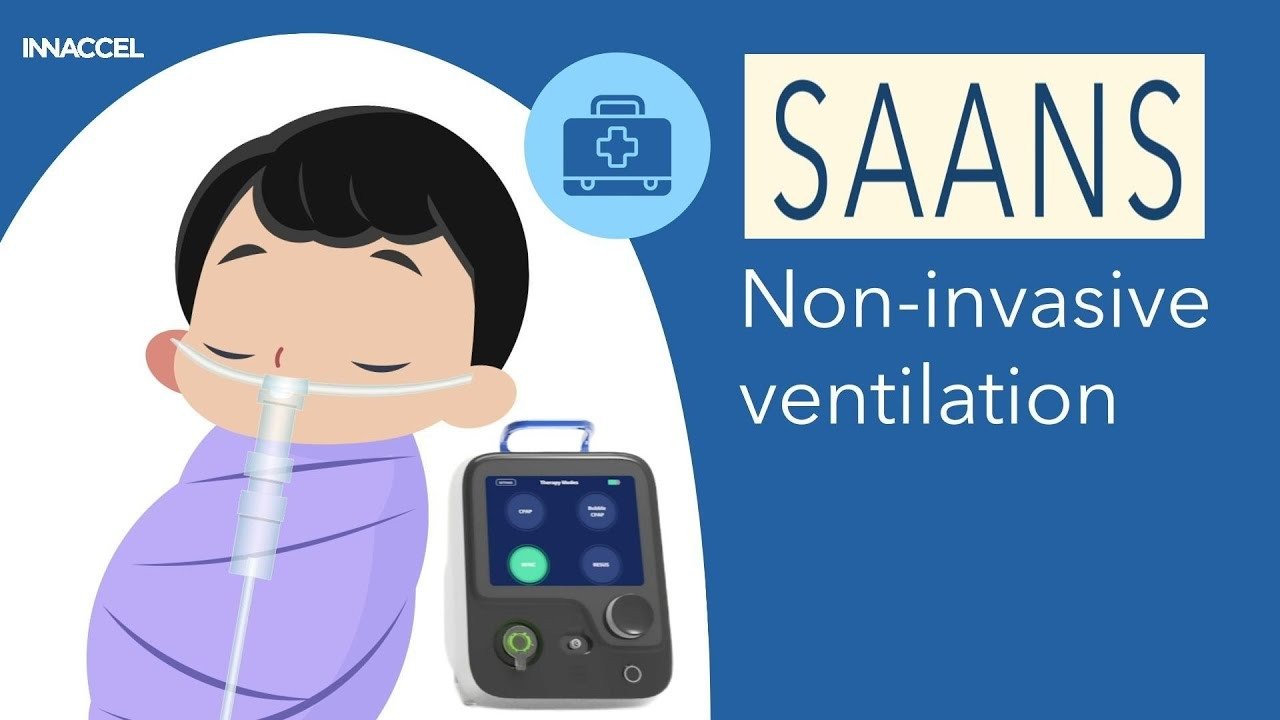
Newborn babies, especially premature infants, may experience respiratory difficulties because their lungs are not fully developed. A Bubble CPAP System is a non-invasive respiratory support device commonly used in neonatal intensive care units.
The system delivers an appropriate mixture of air and oxygen through a nasal interface while generating continuous positive airway pressure through a bubbling water chamber. This pressure helps maintain airway openness and supports spontaneous breathing.
Modern Bubble CPAP System designs may incorporate humidification components, pressure regulation mechanisms, neonatal interfaces, and other features that support respiratory care.
When selecting neonatal respiratory equipment, healthcare institutions should evaluate pressure stability, humidification performance, patient interface comfort, ease of operation, and maintenance requirements.
Correct installation, regular equipment inspection, and continuous supervision by trained neonatal healthcare professionals are essential for appropriate use. Healthcare providers should follow manufacturer instructions and established clinical protocols.
A suitable respiratory support system helps neonatal departments address specialised newborn care requirements and strengthen their medical capabilities.
Conclusion
Advanced medical technology is an important part of modern healthcare development. Reliable medical equipment supports intensive care services, improves maternal monitoring practices, and assists neonatal departments in managing respiratory requirements.
Selecting a dependable Medical Device Company in Bangalore and investing in quality solutions such as an ICU Ventilator Machine, Fetal Monitor System, and Bubble CPAP System can help healthcare institutions improve their clinical infrastructure.
With a focus on innovation, quality, and technological advancement, innaccel highlights the growing importance of medical technology in healthcare. Choosing appropriate medical equipment is an essential step towards supporting healthcare professionals, strengthening hospital capabilities, and delivering better patient care.
Congrats! You’ve Finished This Blog.